In our fast-paced modern world, the quest for optimal health and recovery has never been more critical. Breathing, an often-overlooked natural process, holds extraordinary power to transform both mental clarity and physical vitality.

Every moment of every day, your body performs approximately 20,000 breaths without conscious effort. Yet most people never tap into the therapeutic potential hidden within this automatic function. When harnessed correctly, breathing techniques can reduce stress hormones, improve athletic performance, enhance sleep quality, and accelerate recovery from physical and mental exhaustion. The ancient wisdom of breathwork is now backed by cutting-edge science, revealing mechanisms that directly influence our nervous system, cellular oxygen delivery, and even gene expression.
🌬️ The Science Behind Breathing and Recovery
Understanding how breathing affects your physiology is the first step toward unlocking its recovery benefits. Your respiratory system does far more than simply exchange oxygen and carbon dioxide—it serves as a direct interface with your autonomic nervous system, the control center for stress responses and relaxation states.
When you breathe slowly and deeply, you activate the parasympathetic nervous system, often called the “rest and digest” mode. This activation triggers a cascade of beneficial responses: heart rate decreases, blood pressure normalizes, cortisol levels drop, and digestive function improves. Conversely, shallow chest breathing keeps you locked in sympathetic dominance, perpetuating the stress response that depletes your energy reserves and impairs recovery.
Research published in frontiers of neuroscience demonstrates that controlled breathing practices can increase heart rate variability (HRV), a key marker of physiological resilience and recovery capacity. Higher HRV indicates better adaptability to stress and improved overall health outcomes. By consciously modulating your breath, you’re essentially giving your body permission to shift from survival mode into healing mode.
The Oxygen-Carbon Dioxide Balance
Many people mistakenly believe that breathing more means getting more oxygen to tissues. The reality is more nuanced. The Bohr Effect, discovered over a century ago, reveals that carbon dioxide plays a crucial role in oxygen release from hemoglobin. When you chronically over-breathe, you expel too much CO2, making it harder for oxygen to reach your cells despite abundant oxygen in your blood.
Proper breathing techniques maintain optimal CO2 levels, ensuring efficient oxygen delivery to muscles, organs, and brain tissue. This efficiency translates directly into better recovery, enhanced mental performance, and increased physical endurance.
💪 Breathing Techniques for Physical Recovery
Athletes and fitness enthusiasts are discovering that breathwork can be as important as nutrition and sleep for recovery. Different breathing patterns serve different recovery purposes, and knowing which technique to apply can dramatically accelerate your healing process.
Diaphragmatic Breathing for Muscle Relaxation
Also known as belly breathing, this foundational technique engages the diaphragm fully, allowing for deeper, more efficient breaths. To practice, lie on your back with one hand on your chest and another on your abdomen. Breathe in through your nose, ensuring your belly rises while your chest remains relatively still. Exhale slowly through pursed lips.
This method reduces tension in accessory breathing muscles (neck, shoulders, upper chest) that often become chronically tight from stress and poor breathing habits. After intense workouts, spending 10-15 minutes in diaphragmatic breathing can significantly reduce muscle soreness and accelerate the removal of metabolic waste products like lactate.
Box Breathing for Nervous System Reset
Used by Navy SEALs and elite athletes, box breathing creates perfect balance in your autonomic nervous system. The pattern is simple but powerful: inhale for 4 counts, hold for 4 counts, exhale for 4 counts, hold empty for 4 counts. Repeat for 5-10 minutes.
This technique is particularly effective post-competition or after high-stress situations. It quickly downregulates the sympathetic nervous system while maintaining alertness and mental clarity. Many practitioners report feeling simultaneously relaxed and energized after a box breathing session.
4-7-8 Breathing for Deep Recovery
Developed by Dr. Andrew Weil, this technique promotes profound relaxation. Inhale quietly through your nose for 4 counts, hold your breath for 7 counts, then exhale completely through your mouth for 8 counts. The extended exhalation activates the vagus nerve, your body’s primary relaxation pathway.
Practice this technique before bed or during recovery days to enhance parasympathetic activity. Many users report falling asleep faster and experiencing deeper, more restorative sleep when incorporating 4-7-8 breathing into their evening routine.
🧠 Mental Recovery Through Breathwork
Physical exhaustion often accompanies mental fatigue, and addressing both dimensions is essential for complete recovery. Your breath serves as a bridge between body and mind, offering direct access to mental states that promote cognitive restoration.
Coherent Breathing for Emotional Balance
Breathing at approximately 5-6 breaths per minute creates a state called respiratory sinus arrhythmia, where heart rate synchronizes with breath rhythm. This coherent state optimizes communication between heart, brain, and nervous system, promoting emotional equilibrium and mental clarity.
Set a timer for 10 minutes and breathe in for 5 seconds, then out for 5 seconds, maintaining a smooth, even rhythm. This practice is particularly beneficial for managing anxiety, processing difficult emotions, and recovering from periods of intense mental work or decision fatigue.
Alternate Nostril Breathing for Brain Balance
This yogic technique, called Nadi Shodhana, balances the left and right hemispheres of the brain. Use your right thumb to close your right nostril, inhale through the left, then close the left nostril with your ring finger, release the right, and exhale through the right. Inhale right, switch, exhale left. Continue alternating for 5-10 minutes.
Research indicates this practice can reduce perceived stress, improve cardiovascular function, and enhance cognitive performance. It’s especially valuable during midday slumps or when transitioning between demanding mental tasks.
🌙 Breathing Protocols for Sleep and Recovery
Quality sleep represents the cornerstone of any recovery routine, and breathing techniques can dramatically improve both sleep onset and sleep architecture. Your breath rhythm directly influences brain wave patterns, making it a powerful tool for sleep optimization.
Before bed, avoid stimulating breathing practices. Instead, focus on slow, extended exhalations that signal safety to your nervous system. The physiological sigh—a pattern your body naturally uses—involves a double inhale through the nose followed by a long exhale through the mouth. Two to three repetitions can quickly reduce stress and prepare you for sleep.
Nasal breathing during sleep is equally important. Mouth breathing disrupts sleep quality, increases snoring, and can lead to morning fatigue despite adequate sleep duration. If nasal breathing feels difficult, consider addressing potential obstructions or practicing daytime nasal breathing to retrain your respiratory habits.
📱 Breathing Apps and Digital Tools
Technology can support your breathing practice through guided sessions, timing assistance, and progress tracking. Several applications offer structured breathing programs designed specifically for recovery and stress management.
While apps provide convenience and structure, remember that your breath is always available without technology. Use digital tools as training wheels, gradually developing the ability to practice anywhere, anytime, without external guidance.
🔄 Creating Your Personal Recovery Breathing Routine
The most effective recovery routine integrates multiple breathing techniques strategically throughout your day. Rather than viewing breathwork as another task to complete, embed it into natural transition points and recovery windows.
Morning Activation Protocol
Begin your day with 2-3 minutes of slightly energizing breath. Try breathing in for 4 counts and out for 4 counts, gradually increasing pace to stimulate your system gently without triggering stress. This primes your nervous system for the day ahead while maintaining recovery-friendly balance.
Midday Reset Sequence
Around lunch or during afternoon energy dips, practice 5-10 minutes of coherent breathing or box breathing. This prevents the accumulation of stress throughout the day and maintains your nervous system in a recovery-permissive state even during work hours.
Evening Wind-Down Ritual
One to two hours before bed, transition into parasympathetic dominance with 10-15 minutes of 4-7-8 breathing or diaphragmatic breathing. Dim the lights, eliminate screens, and make this practice a non-negotiable boundary between active hours and rest time.
Post-Workout Recovery Window
Immediately after exercise, spend 5-10 minutes in deliberate recovery breathing before rushing to your next activity. This signals completion of the stress stimulus and initiates the adaptation and repair process that makes you stronger.
⚡ Advanced Breathwork for Enhanced Recovery
Once you’ve mastered foundational techniques, you might explore more advanced practices that offer additional recovery benefits. These methods require proper instruction and should be approached gradually.
Wim Hof Method
This combination of controlled hyperventilation followed by breath retention has gained popularity for its effects on immune function, inflammation reduction, and mental resilience. The practice involves 30-40 deep breaths followed by a breath hold, repeated for several rounds.
While powerful, this technique is stimulating rather than relaxing and should be practiced earlier in the day. It’s contraindicated for certain conditions, so consult a healthcare provider if you have cardiovascular concerns, epilepsy, or are pregnant.
Buteyko Breathing
This method focuses on reducing chronic over-breathing by practicing reduced breathing volumes and breath holds. By gradually increasing CO2 tolerance, practitioners report improvements in asthma, sleep apnea, anxiety, and athletic performance.
The core principle involves breathing less than you feel you need to, creating a mild air hunger that over time resets your respiratory center to more efficient patterns. This requires proper guidance to implement safely and effectively.
🎯 Measuring Your Breathing Recovery Progress
Tracking your progress helps maintain motivation and reveals which techniques work best for your unique physiology. Several markers indicate improved recovery capacity through breathwork.
Resting heart rate often decreases as your nervous system becomes more balanced. Morning measurements taken before getting out of bed provide the most consistent data. A gradual downward trend over weeks and months signals improved recovery capacity.
Heart rate variability can be measured with various devices and apps. Higher HRV generally indicates better recovery status and stress resilience. Consistent breathing practice typically increases HRV over time.
Subjective measures matter too. Notice improvements in sleep quality, energy levels, mood stability, and stress resilience. Keep a simple journal noting how you feel before and after breathing sessions to identify patterns and optimal practices for your needs.
🌟 Integrating Breathing with Other Recovery Modalities
Breathing doesn’t exist in isolation from other recovery practices. It synergizes powerfully with complementary approaches, multiplying the benefits of each.
Combine breathwork with cold exposure for enhanced stress adaptation. Practice slow breathing during cold showers or ice baths to maintain parasympathetic activation despite the challenge stimulus. This trains remarkable stress resilience that transfers to other life domains.
Pair breathing with meditation or mindfulness practice. Your breath serves as an anchor for attention, making meditation more accessible while the mental training deepens your breathing practice. This combination addresses both physical and psychological recovery comprehensively.
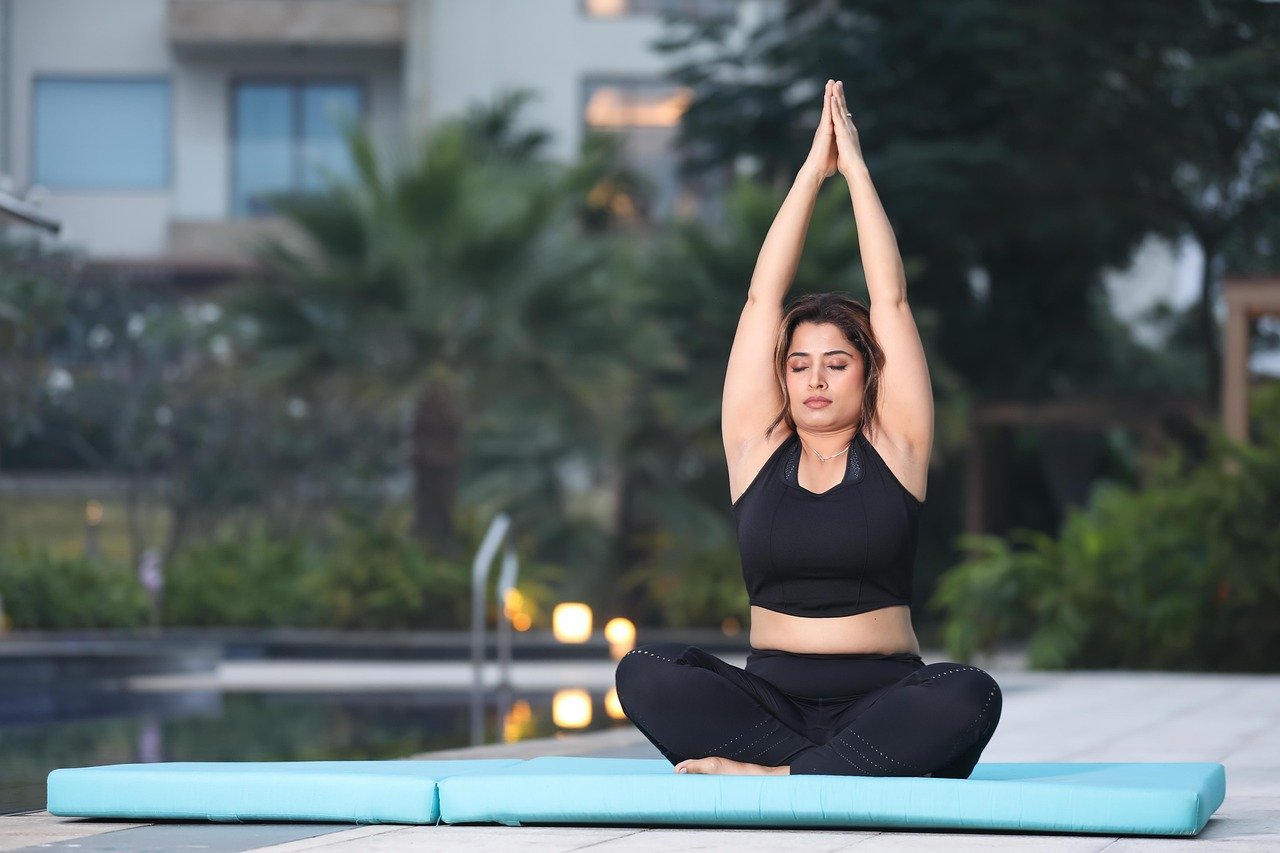
Integrate breathing with movement practices like yoga, tai chi, or qigong. These traditions have always recognized the intimate connection between breath, movement, and energy cultivation. Moving with breath awareness amplifies recovery benefits beyond what either practice achieves alone.
🚀 Overcoming Common Breathing Practice Obstacles
Despite breathing’s simplicity, many people encounter challenges when establishing a consistent practice. Recognizing and addressing these obstacles ensures long-term success.
Time constraints represent the most common barrier. Remember that even 2-3 minutes of focused breathing provides measurable benefits. Rather than waiting for perfect conditions, embed micro-practices into existing routines—while waiting for coffee to brew, during your commute, or between meetings.
Some people experience anxiety or discomfort when first paying attention to their breath. This often indicates chronic stress patterns or past trauma. If breathing awareness creates distress, work with shorter sessions, keep your eyes open, or seek guidance from a qualified breathwork facilitator or therapist.
Consistency challenges affect most beginners. Link your breathing practice to existing habits through implementation intentions: “After I pour my morning coffee, I will practice 3 minutes of diaphragmatic breathing.” This habit-stacking approach dramatically increases adherence.
💡 The Ultimate Recovery Breathing Framework
Synthesizing these insights into a cohesive framework creates your ultimate recovery routine. This isn’t about perfection but about sustainable practices that progressively enhance your resilience and vitality.
Start with awareness. Simply notice your breathing throughout the day without trying to change it. This metacognitive skill forms the foundation for all intentional practice. Set periodic reminders to check in with your breath, noting patterns, tensions, and natural rhythms.
Progress to basic techniques. Master diaphragmatic breathing and box breathing before exploring advanced methods. Depth beats breadth—profound competence with simple practices outperforms superficial knowledge of complex ones.
Expand strategically. Add techniques that address your specific needs and goals. Athletes might emphasize post-workout protocols, while busy professionals might focus on stress-management breathing. Customize your practice to your life context.
Maintain flexibility. Your breathing needs change daily based on stress, sleep, training load, and life circumstances. Develop sensitivity to what your system requires each day rather than rigidly following a fixed protocol. This intuitive approach represents the highest level of mastery.
The power of breathing for mind and body recovery isn’t mystical—it’s deeply physiological, affecting every system in your body. By dedicating even small amounts of consistent attention to your breath, you unlock your body’s innate recovery capabilities. This ancient practice, validated by modern science, offers a zero-cost, always-available tool for optimizing health, performance, and wellbeing. Your next breath is an opportunity to begin this transformative journey. Make it count. 🌬️✨