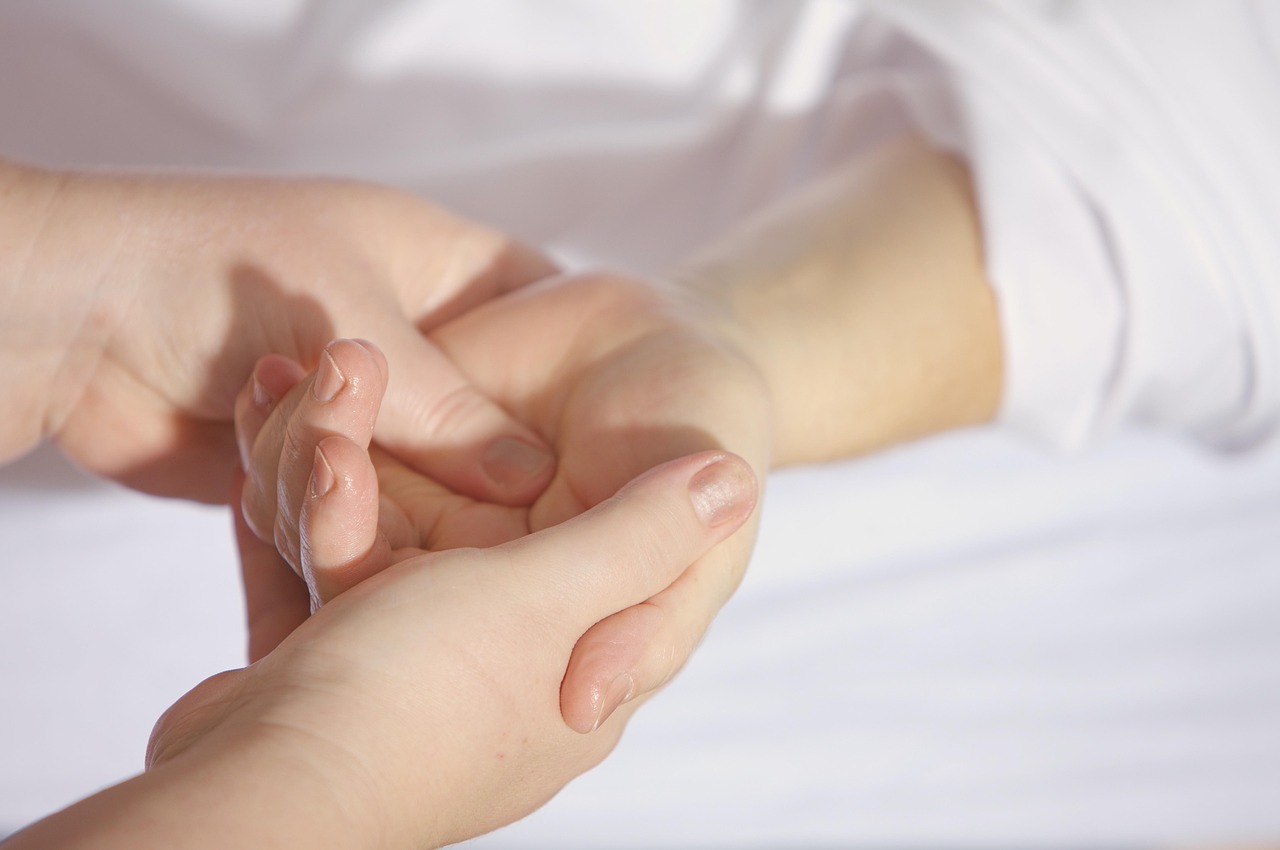
Running demands more from your body than the miles logged during training. The secret to sustained performance lies not in pushing harder, but in recovering smarter between sessions.

Every runner, from weekend warriors to elite marathoners, shares a common challenge: balancing the stress of training with adequate recovery. Without proper daily recovery routines, you risk injury, burnout, and plateaued performance. Understanding how to optimize your body’s repair mechanisms transforms good runners into exceptional ones.
🏃 Why Recovery Matters More Than You Think
Your muscles don’t grow stronger during runs—they strengthen during recovery. When you run, you create microscopic tears in muscle fibers, deplete energy stores, and stress your cardiovascular system. Recovery is when adaptation happens, transforming training stress into improved performance.
Research consistently shows that runners who prioritize recovery experience fewer injuries, maintain consistent training schedules, and achieve better race results. The adaptation process requires specific conditions: adequate rest, proper nutrition, strategic movement, and targeted recovery protocols.
Ignoring recovery leads to accumulated fatigue, compromised immune function, elevated cortisol levels, and increased injury risk. The body enters a catabolic state where it breaks down more tissue than it rebuilds, moving you backward despite continued training effort.
Morning Recovery Rituals That Set Your Day Right
The first hour after waking establishes your recovery foundation for the entire day. Your body emerges from sleep in a dehydrated state with depleted muscle glycogen stores, making morning routines particularly impactful.
Hydration Protocol for Runners 💧
Before reaching for coffee, drink 16-20 ounces of water. Overnight, you lose significant fluid through respiration and metabolism. This morning hydration jumpstarts kidney function, supports circulation, and prepares your body for nutrient absorption.
Add a pinch of sea salt or electrolyte drops to enhance absorption. This simple practice reduces morning muscle stiffness and improves cognitive function, helping you approach training decisions with clarity.
Dynamic Stretching and Mobility Work
Spend 10-15 minutes performing gentle dynamic movements targeting areas runners commonly neglect: hip flexors, calves, ankles, and thoracic spine. These movements increase blood flow to recovering tissues without creating additional training stress.
Focus on controlled leg swings, walking lunges with rotation, ankle circles, and cat-cow stretches. This morning mobility work identifies areas of tightness or discomfort before they become injuries, allowing you to modify training accordingly.
Nutrition Strategies for Accelerated Recovery
What you eat directly influences how quickly and completely your body recovers. Strategic nutrition provides the raw materials for tissue repair, energy replenishment, and immune system support.
The Post-Run Nutrition Window
Within 30-60 minutes after finishing a run, consume a combination of carbohydrates and protein in a 3:1 or 4:1 ratio. This timing capitalizes on enhanced nutrient uptake when your muscles are most receptive to replenishment.
Practical options include chocolate milk, Greek yogurt with fruit, a smoothie with banana and protein powder, or a turkey sandwich. The carbohydrates replenish glycogen stores while protein provides amino acids for muscle repair.
Anti-Inflammatory Foods Every Runner Should Eat
Chronic inflammation from training stress requires dietary management. Incorporate these foods daily to support recovery:
- Fatty fish rich in omega-3s (salmon, mackerel, sardines)
- Tart cherry juice, shown to reduce muscle soreness and inflammation
- Leafy greens packed with antioxidants and minerals
- Berries containing compounds that combat oxidative stress
- Turmeric and ginger with powerful anti-inflammatory properties
- Nuts and seeds providing healthy fats and vitamin E
Limit processed foods, excessive sugar, and alcohol, which promote inflammation and interfere with recovery processes. Your diet should support your training, not undermine it.
Sleep: The Non-Negotiable Recovery Tool 😴
Sleep is when your body releases growth hormone, consolidates motor patterns learned during training, and performs the majority of tissue repair. Runners who consistently sleep less than seven hours per night experience measurably worse performance and higher injury rates.
Optimizing Sleep Quality for Athletes
Quality matters as much as quantity. Create conditions for deep, restorative sleep by maintaining a cool bedroom temperature (65-68°F), eliminating light sources, and establishing a consistent sleep schedule even on weekends.
Avoid screens for at least one hour before bed, as blue light suppresses melatonin production. Consider reading, gentle stretching, or meditation instead. If you train in the evening, allow at least two hours between finishing your run and bedtime to let your nervous system downregulate.
Track your sleep patterns using wearable technology or a simple journal. Notice how different training loads, nutrition choices, and stress levels affect your sleep quality, then adjust accordingly.
Active Recovery Techniques That Actually Work
Complete rest days have their place, but active recovery—low-intensity movement that promotes circulation without creating training stress—often proves more beneficial for runners.
Low-Impact Cross-Training Options
Swimming, cycling, and yoga provide movement variety while allowing running-specific tissues to recover. These activities maintain cardiovascular fitness, improve range of motion, and break the repetitive stress patterns of running.
Keep intensity truly easy—conversational pace or lower. The goal is promoting blood flow and movement quality, not adding training stress. Sessions of 20-45 minutes provide optimal benefits.
Self-Myofascial Release and Foam Rolling
Spend 10-15 minutes daily working through major muscle groups with a foam roller or massage ball. Focus on calves, quadriceps, IT bands, glutes, and hip flexors—areas that accumulate tension from repetitive running motion.
Move slowly, pausing on tender spots for 30-60 seconds. This practice breaks up adhesions in fascia, improves tissue quality, and enhances range of motion. Consistency matters more than duration; brief daily sessions outperform occasional marathon rolling sessions.
Strategic Use of Recovery Technology 🔧
Modern recovery tools offer runners convenient ways to enhance natural recovery processes. While not essential, these technologies can provide meaningful benefits when used correctly.
Compression Gear and Circulation
Compression socks or tights worn for 2-4 hours post-run may reduce muscle soreness and accelerate waste product removal. The graduated compression supports venous return, particularly beneficial after long runs or races.
Evidence remains mixed on performance benefits, but many runners report subjective improvements in recovery sensation and reduced next-day soreness. Experiment to determine if compression works for your body.
Percussion Therapy and Massage Guns
Handheld percussion devices provide targeted muscle treatment, reducing tension and improving tissue quality. Use for 30-60 seconds per muscle group, focusing on areas of tightness rather than prolonged full-body sessions.
These devices complement but don’t replace traditional foam rolling and stretching. They excel at accessing difficult-to-reach areas like calves and addressing acute tension spots.
Cold and Heat Therapy for Runners
Temperature-based recovery methods influence inflammation, circulation, and pain perception. Understanding when to use each modality maximizes their effectiveness.
Ice Baths and Cold Exposure
Cold water immersion (50-59°F for 10-15 minutes) within an hour after hard workouts reduces inflammation and muscle soreness. The cold constricts blood vessels, then subsequent warming brings fresh blood flow to affected tissues.
Reserve ice baths for after particularly intense sessions rather than daily use, as some inflammation serves important signaling functions in adaptation. Overuse of cold therapy may actually blunt training adaptations.
When Heat Therapy Works Better
Heat application increases blood flow and tissue elasticity, making it ideal for chronic tightness or before easy runs. Use heating pads, warm baths, or hot/cold contrast showers to address persistent muscle tension.
Contrast therapy—alternating hot and cold—creates a pumping effect that enhances circulation. Try three rounds of three minutes warm followed by one minute cold, ending with warm.
Mental Recovery and Stress Management 🧠
Physical recovery cannot be separated from mental and emotional recovery. Training stress combines with life stress to impact your body’s total stress load, affecting recovery capacity.
Mindfulness and Meditation for Athletes
Daily meditation practice, even just 10 minutes, reduces cortisol levels, improves sleep quality, and enhances body awareness. This heightened awareness helps you distinguish between productive training discomfort and injury warning signs.
Apps like Headspace, Calm, or Insight Timer offer guided meditations specifically designed for athletes. Consistent practice develops mental resilience that translates directly to training and racing performance.
The Power of Rest Days
Schedule at least one complete rest day weekly—no running, no cross-training, no “just a light jog.” Your body needs periodic breaks from movement stress to fully recover and adapt.
Use rest days for activities you enjoy: reading, socializing, creative pursuits, or simply relaxing. Psychological recovery from the discipline of training matters as much as physical recovery.
Building Your Personalized Recovery Routine
Cookie-cutter approaches rarely work because individual recovery needs vary based on training volume, intensity, age, genetics, and life stress. Create your recovery protocol through systematic experimentation.
Tracking Recovery Metrics
Monitor these daily indicators to assess recovery status:
- Resting heart rate (elevated by 5+ beats suggests incomplete recovery)
- Heart rate variability (lower scores indicate stress or fatigue)
- Sleep quality and duration
- Subjective energy levels and motivation
- Muscle soreness and movement quality
- Mood and stress levels
When multiple metrics indicate poor recovery, adjust training accordingly. Missing one workout to ensure proper recovery beats pushing through and risking injury or illness.
Adjusting Recovery Based on Training Phases
Base building phases require less intensive recovery than peak training weeks. After long runs, races, or high-intensity sessions, amplify recovery efforts with extra sleep, enhanced nutrition, and additional recovery modalities.
During taper periods before races, maintain recovery routines while reducing training volume. This consistency helps your body fully absorb training adaptations.
Common Recovery Mistakes That Sabotage Progress ⚠️
Even dedicated runners fall into recovery traps that undermine their training efforts. Avoid these frequent errors:
Running every easy day too fast prevents true recovery. Most runners need to slow down their easy pace by 60-90 seconds per mile to allow genuine recovery while maintaining training volume.
Neglecting strength training creates muscular imbalances and weaknesses that running alone cannot address. Two weekly strength sessions of 20-30 minutes dramatically improve running economy and injury resistance.
Inadequate protein intake limits muscle repair capacity. Aim for 0.6-0.8 grams of protein per pound of body weight daily, distributed across meals rather than concentrated in one sitting.
Inconsistent hydration patterns compromise recovery. Drink consistently throughout the day rather than gulping large amounts infrequently. Monitor urine color—pale yellow indicates proper hydration.

Sustaining Peak Performance Through Smart Recovery
The runners who achieve their potential understand that training and recovery form two sides of the same coin. You cannot optimize one while neglecting the other. Building sustainable performance requires viewing recovery not as passive rest but as active preparation for your next training session.
Start implementing these recovery routines gradually rather than overhauling everything simultaneously. Add one or two practices, maintain them for several weeks, then introduce additional elements. This approach ensures sustainability while allowing you to assess what works best for your individual needs.
Remember that recovery is highly individual—what accelerates your training partner’s recovery may differ from your optimal approach. Pay attention to how your body responds, track relevant metrics, and adjust based on results rather than assumptions.
The most successful runners develop recovery habits that become as automatic as their training routines. They understand that consistency in recovery practices compounds over months and years, creating the foundation for continued improvement and longevity in the sport.
Your next personal best doesn’t just depend on the miles you run or the intervals you complete. It depends equally on how well you recover between those sessions. Invest in your recovery with the same dedication you bring to training, and watch your performance reach new heights. 🎯