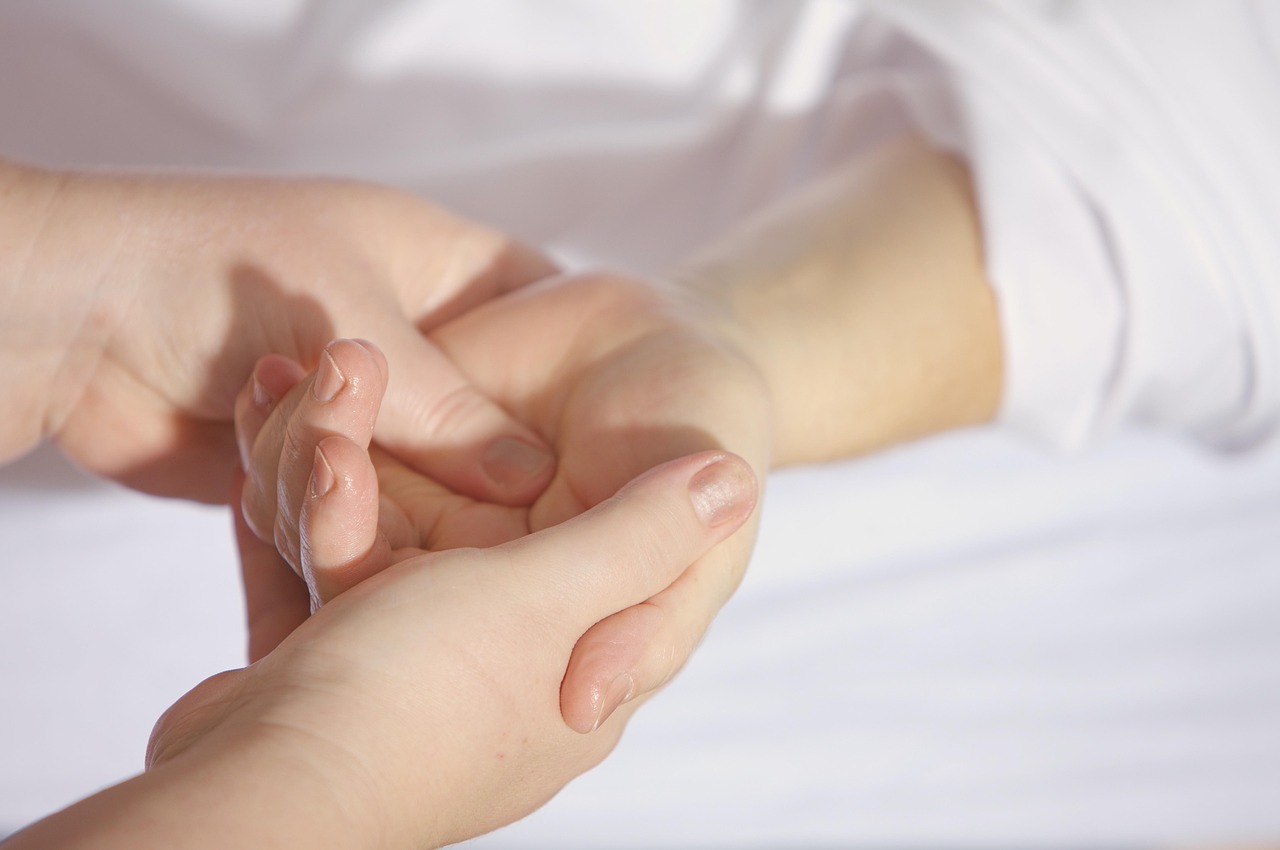
Recovery days are just as vital as your most intense workout sessions. Taking time to refresh your body and mind through gentle movement can accelerate healing and prevent burnout.

Many fitness enthusiasts make the mistake of believing that rest means complete inactivity. However, incorporating strategic, low-intensity movements on your recovery days can actually enhance blood flow, reduce muscle soreness, and prepare your body for future training sessions. The key is understanding which movements support recovery rather than hinder it, allowing you to maintain momentum without compromising your body’s natural healing processes.
Understanding the Science Behind Active Recovery 🧬
Active recovery isn’t just a trendy fitness concept—it’s rooted in solid physiological principles. When you engage in gentle movement, you increase circulation throughout your body without creating additional stress on already-fatigued muscles. This enhanced blood flow delivers essential nutrients and oxygen to tissues while simultaneously removing metabolic waste products that accumulate during intense exercise.
Research consistently shows that complete rest can sometimes lead to increased stiffness and prolonged recovery times. Light activity stimulates the parasympathetic nervous system, which is responsible for the body’s rest-and-digest functions. This activation helps reduce cortisol levels, decrease inflammation, and promote tissue repair at the cellular level.
The magic happens in the balance. Your recovery day movements should keep your heart rate relatively low—typically between 30-60% of your maximum heart rate. This zone allows your body to work without triggering additional stress responses or breaking down muscle tissue that’s trying to rebuild and strengthen.
Morning Mobility: Starting Your Recovery Day Right ☀️
How you begin your recovery day sets the tone for your body’s entire healing process. Morning mobility routines are particularly effective because they address the natural stiffness that occurs during sleep while your body has been in static positions for hours.
Start with gentle spinal movements. Cat-cow stretches performed for 2-3 minutes help lubricate the vertebrae and awaken your core muscles. Move slowly and deliberately, synchronizing each movement with your breath. This mindful approach activates your body’s awareness systems and prepares your nervous system for the day ahead.
Follow this with dynamic hip circles and shoulder rolls. These joint-focused movements increase synovial fluid production, which acts as natural lubrication for your joints. Spend about 5-10 minutes on these foundational movements, paying special attention to areas that feel particularly tight or restricted.
The Perfect Morning Flow Sequence
Creating a consistent morning routine helps establish recovery as a priority. This sequence takes approximately 15-20 minutes and can be modified based on your specific needs:
- Child’s pose with lateral reaches (2 minutes)
- Cat-cow variations (2-3 minutes)
- Gentle spinal twists in seated position (2 minutes each side)
- Hip flexor stretches with posterior pelvic tilt (90 seconds each side)
- Shoulder dislocations with resistance band or towel (10-15 repetitions)
- Ankle circles and toe spreading exercises (1 minute each foot)
Restorative Yoga: The Ultimate Recovery Tool 🧘
Restorative yoga differs significantly from more vigorous yoga styles. It emphasizes passive stretching, extended hold times, and the use of props to fully support your body. This approach allows your muscles to release tension without effort, creating space for deep relaxation and recovery.
Poses like supported bridge, legs-up-the-wall, and reclined bound angle are particularly beneficial on recovery days. These positions facilitate venous return, helping blood flow back to your heart more efficiently. This process reduces swelling in your extremities and can significantly decrease post-workout muscle soreness.
The beauty of restorative yoga lies in its accessibility. You don’t need to be flexible or experienced to benefit. Props like bolsters, blocks, and blankets do most of the work, allowing gravity and time to release muscular tension naturally. Sessions typically last 45-60 minutes, with individual poses held for 5-15 minutes.
Essential Restorative Poses for Athletes
These poses target common areas of tightness and fatigue that athletes experience. Each should be held for at least 5 minutes, focusing on deep, diaphragmatic breathing:
- Supported child’s pose with bolster under torso
- Supine twist with knee support
- Supported bridge with block under sacrum
- Legs-up-the-wall with optional hip support
- Reclined bound angle with props under knees and head
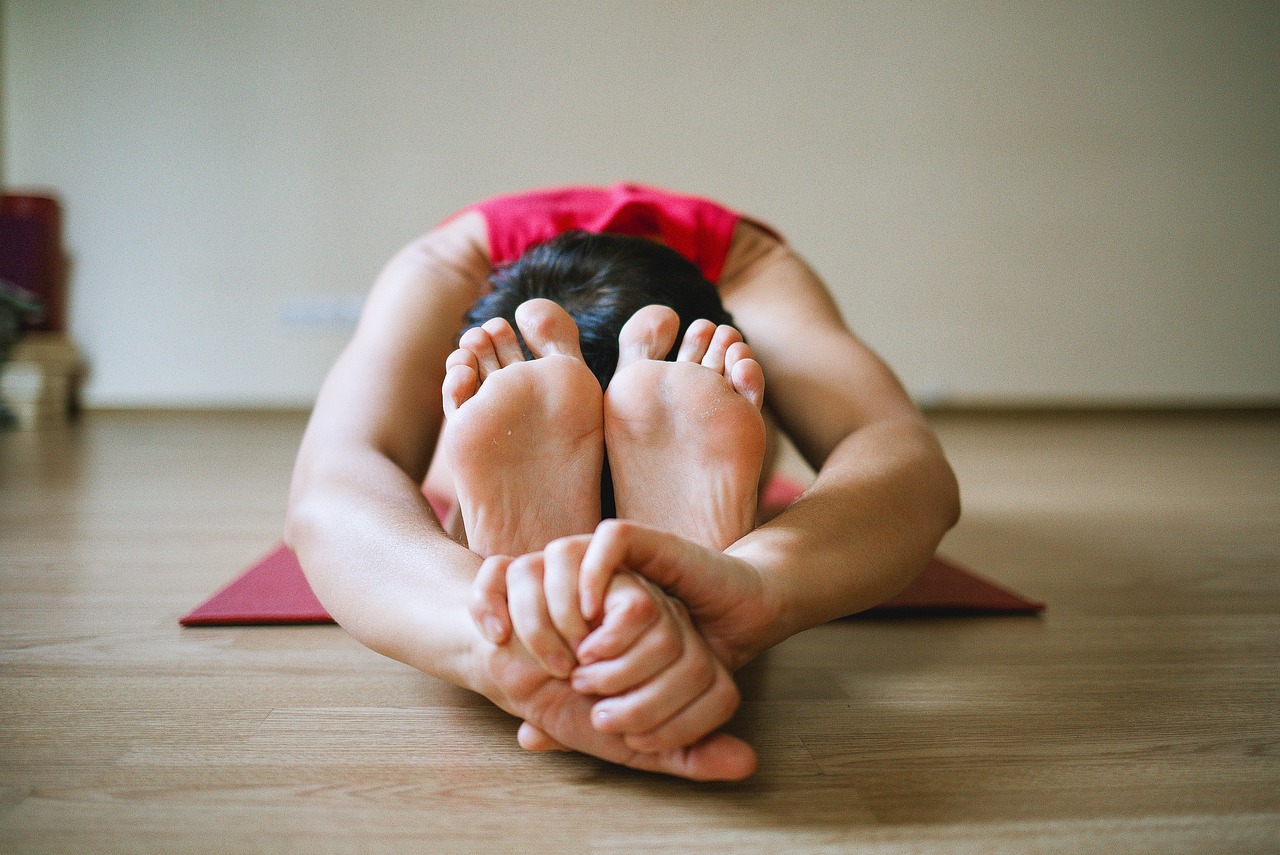
- Supported forward fold in seated position
Walking: The Underrated Recovery Powerhouse 👟
Walking might seem too simple to be effective, but it’s one of the most powerful recovery tools available. A gentle 30-45 minute walk maintains cardiovascular activity without taxing your musculoskeletal system. This low-impact movement promotes lymphatic drainage, which is crucial for removing metabolic waste and reducing inflammation.
The key to recovery walking is maintaining an easy, conversational pace. You should be able to breathe comfortably through your nose and carry on a conversation without becoming breathless. This intensity ensures you’re supporting recovery rather than adding training stress.
Nature walks offer additional benefits beyond physical recovery. Exposure to natural environments has been shown to reduce cortisol levels, improve mood, and enhance overall well-being. The varied terrain of outdoor walking also provides subtle proprioceptive challenges that indoor treadmill walking cannot replicate.
Aquatic Movement: Weightless Recovery Magic 💧
Water-based activities provide unique recovery advantages. The buoyancy of water reduces gravitational stress on your joints and spine by approximately 90%, allowing movement without compression. This makes aquatic exercise ideal for recovery days, especially if you’re dealing with minor aches or joint sensitivity.
Gentle water walking, swimming with relaxed strokes, or performing mobility exercises in the pool all enhance recovery. The hydrostatic pressure of water also provides a natural compression effect that can reduce swelling and improve circulation throughout your body.
Water temperature matters significantly. Warm water (82-88°F) promotes muscle relaxation and can help reduce stiffness, while cooler water (75-80°F) can have mild anti-inflammatory effects. Many athletes alternate between temperatures to maximize recovery benefits.
Pool Recovery Routine
This 30-minute aquatic routine can be performed in shallow water where you can comfortably stand. Move slowly and focus on the resistance that water provides:
- Water walking forward and backward (5 minutes)
- Leg swings in multiple planes (2 minutes each leg)
- Arm circles and shoulder movements (3 minutes)
- Gentle torso rotations (2 minutes)
- Hip circles and figure-eights (2 minutes)
- Relaxed floating or treading water (5 minutes)
- Gentle swimming with easy strokes (10 minutes)
Breathwork and Somatic Practices: Recovery from the Inside Out 🌬️
Physical movement represents only one aspect of comprehensive recovery. Breathwork practices directly influence your nervous system, shifting your body from sympathetic (fight-or-flight) to parasympathetic (rest-and-digest) dominance. This shift is essential for optimal recovery and adaptation.
Diaphragmatic breathing, also called belly breathing, stimulates the vagus nerve—a key player in your body’s relaxation response. Practicing this technique for just 10-15 minutes can lower heart rate, reduce blood pressure, and decrease stress hormone levels. These changes create an internal environment conducive to healing and regeneration.
Box breathing is another powerful technique: inhale for four counts, hold for four counts, exhale for four counts, hold for four counts, then repeat. This rhythmic pattern has been shown to improve heart rate variability, a key marker of nervous system health and recovery capacity.
Foam Rolling and Self-Myofascial Release Techniques 🎯
Self-myofascial release helps address adhesions and tight spots in your fascia—the connective tissue surrounding your muscles. When performed gently on recovery days, foam rolling can enhance tissue quality and reduce perceived muscle soreness without creating additional trauma.
The key to recovery-focused foam rolling is using slow, controlled movements and avoiding aggressive pressure. You’re not trying to “break up” anything or create pain. Instead, gentle pressure held for 30-90 seconds allows tissues to release naturally through a neurological reflex called autogenic inhibition.
Focus on major muscle groups that tend to accumulate tension: calves, hamstrings, quadriceps, hip flexors, glutes, and upper back. Avoid rolling directly on joints, bones, or areas of acute pain. The sensation should be tolerable—about a 4-6 out of 10 on a discomfort scale.
Optimal Self-Massage Tools
Different tools serve different purposes in your recovery toolkit. Consider incorporating these options based on your specific needs and preferences:
- Standard foam roller: Best for large muscle groups and general use
- Massage balls: Ideal for targeted trigger points and hard-to-reach areas
- Massage gun: Provides percussive therapy for deeper tissue work
- Roller stick: Perfect for calves and areas where body weight pressure isn’t practical
- Peanut-shaped roller: Excellent for spinal muscles without pressing on vertebrae
Yin Yoga: Deep Tissue Recovery Through Stillness 🕉️
While restorative yoga focuses on complete relaxation, yin yoga applies gentle stress to connective tissues through longer hold times in passive positions. Poses are typically held for 3-5 minutes, allowing you to work into deeper layers of fascia that dynamic stretching cannot reach.
This practice is particularly beneficial for athletes who perform repetitive movements. The sustained pressure helps rehydrate fascial tissues and can improve overall mobility and joint health. The meditative aspect of holding poses also provides mental recovery benefits, reducing anxiety and improving focus.
Common yin poses for recovery include dragon pose (for hip flexors), sleeping swan (for hip rotators), caterpillar (for hamstrings and spine), and banana pose (for lateral body tissues). Each targets specific fascial lines that often become restricted through training.
Creating Your Personalized Recovery Day Schedule ⏰
No single recovery routine works for everyone. Your ideal recovery day depends on your training intensity, sport or activity, individual physiology, and lifestyle factors. However, certain principles can guide you in crafting an effective personalized approach.
Consider starting with 15-20 minutes of morning mobility work, followed by a 30-45 minute gentle activity like walking or swimming. Mid-day or afternoon is ideal for a restorative yoga session or foam rolling routine. Evening hours work well for breathwork and meditation practices that prepare your body for restorative sleep.
Listen to your body’s feedback throughout the day. If you feel energized after morning movement, that’s a positive sign. If you feel more fatigued, you may be doing too much or need complete rest instead. Recovery is highly individual, and what works one week might need adjustment the next based on your training load.
Nutrition and Hydration: Supporting Movement-Based Recovery 🥗
Gentle movement on recovery days works synergistically with proper nutrition and hydration. Your body needs adequate protein to repair tissues, carbohydrates to replenish glycogen stores, and micronutrients to support cellular functions. Recovery day nutrition doesn’t necessarily mean eating less—it means eating strategically.
Hydration is particularly crucial during active recovery. As you move, even gently, your body continues to lose fluids through respiration and perspiration. Adequate water intake supports the increased blood flow you’re promoting through movement and helps flush metabolic waste products from tissues.
Consider incorporating anti-inflammatory foods like fatty fish, berries, leafy greens, and turmeric. These nutrients can complement the physical benefits of gentle movement by reducing systemic inflammation at the biochemical level.
Technology and Apps: Tracking Your Recovery Journey 📱
Modern technology offers valuable tools for optimizing your recovery approach. Heart rate variability monitors can provide objective data about your nervous system status, helping you determine whether your recovery strategies are working effectively.
Several apps now specialize in guided recovery sessions, offering everything from gentle yoga flows to meditation practices specifically designed for athletes. These digital tools can provide structure and variety to your recovery routine, preventing boredom while ensuring you’re following evidence-based protocols.
Sleep Optimization: The Foundation of All Recovery 😴
Even the most perfect recovery day routine cannot compensate for inadequate sleep. Sleep is when your body performs the majority of its repair and adaptation processes. Growth hormone secretion, protein synthesis, and memory consolidation all peak during deep sleep stages.
Your gentle movement practices can actually improve sleep quality. Evening walking or restorative yoga helps transition your nervous system into a rest state, while morning mobility can help regulate your circadian rhythm. The key is maintaining consistency—going to bed and waking at similar times each day, even on weekends.
Creating a sleep-conducive environment matters as much as your daytime recovery activities. Keep your bedroom cool (around 65-68°F), dark, and quiet. Consider the gentle movement practices you’ve done throughout the day as preparation for the ultimate recovery activity: high-quality sleep.
Adapting Your Recovery Routine Across Training Cycles 🔄
Your recovery needs aren’t static—they change based on training volume, intensity, and competition schedules. During heavy training blocks, you might need more frequent recovery days with gentler activities. During lighter training phases, your recovery days might include slightly more vigorous movement.
Pay attention to accumulated fatigue across weeks and months, not just day-to-day tiredness. If you notice declining performance, increased resting heart rate, mood changes, or persistent soreness despite regular recovery days, you may need to adjust your approach. Sometimes this means adding more complete rest days, while other times it means incorporating different recovery modalities.
The most successful athletes view recovery as a skill to be developed, not just time off from training. By consistently practicing gentle movement routines, breathwork, and restorative practices, you build a recovery capacity that allows you to train harder and more consistently over the long term. Your perfect recovery day isn’t about doing nothing—it’s about doing exactly what your body needs to refresh, rejuvenate, and prepare for future challenges.