
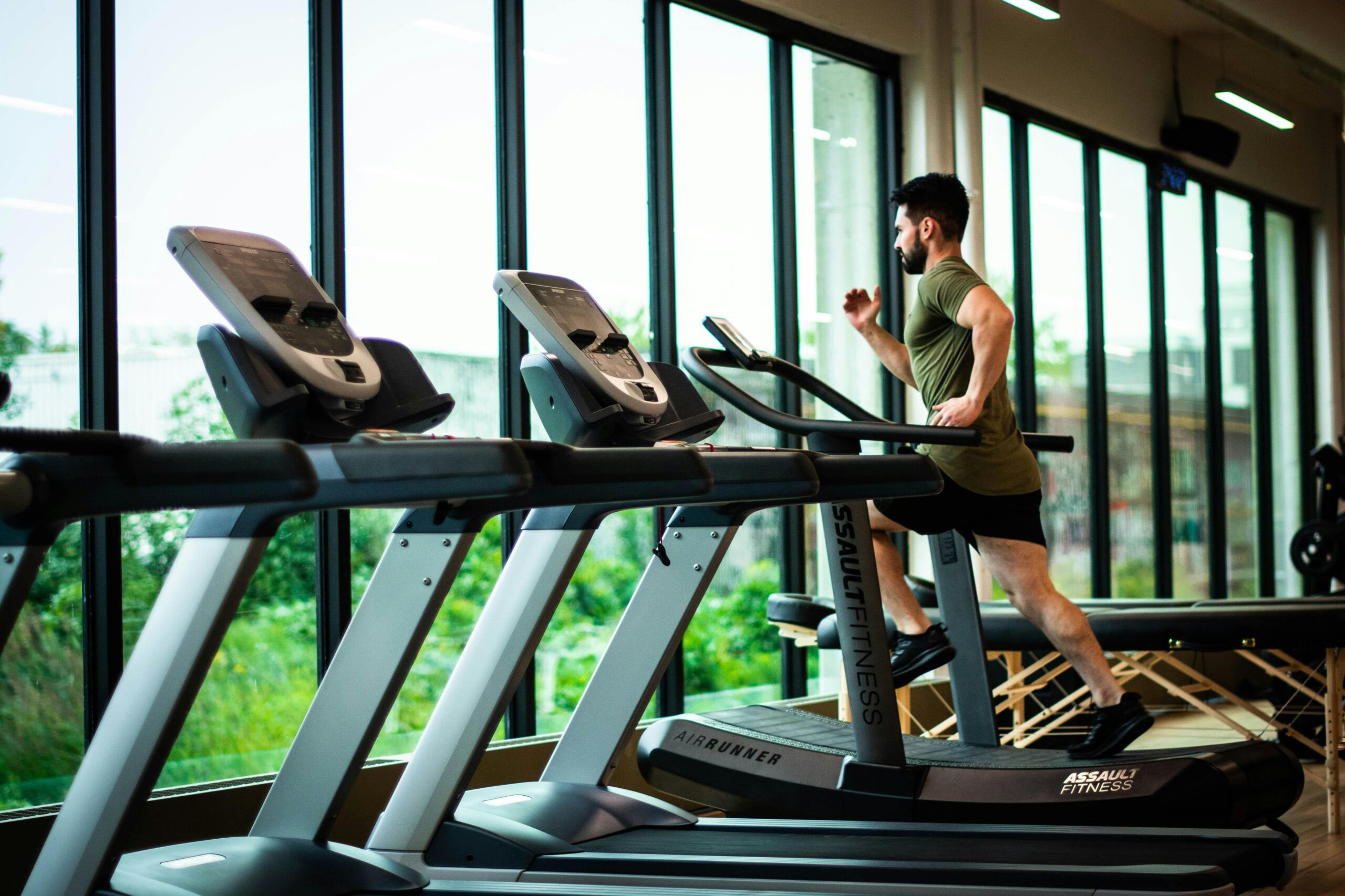
Running on a treadmill isn’t just about logging miles—it’s about building a powerful, resilient body that propels you forward with every stride.

Whether you’re a seasoned runner seeking to break through performance plateaus or a fitness enthusiast looking to maximize treadmill workouts, integrating strength training into your routine can transform your running experience. The synergy between strength work and cardiovascular conditioning creates a foundation for improved speed, endurance, and injury prevention that treadmill running alone simply cannot achieve.
🏃♂️ Why Strength Training Revolutionizes Treadmill Running
The relationship between strength training and running performance has been extensively studied, revealing remarkable benefits that extend far beyond muscle aesthetics. When you strengthen the muscles, tendons, and connective tissues involved in running, you create a more efficient biomechanical system that translates directly to better treadmill performance.
Strength training enhances running economy—the amount of oxygen your body uses at a given pace. Studies show that runners who incorporate regular resistance work use less energy at the same speeds compared to those who only run. This improved efficiency means you can maintain faster paces for longer periods without exhausting your cardiovascular system.
Additionally, stronger muscles generate more force with each foot strike, allowing for more powerful propulsion and longer stride lengths. This increased force production becomes especially valuable during treadmill interval training or when tackling incline settings that simulate hill running.
The Biomechanical Advantage: Understanding Running Mechanics
Every time your foot contacts the treadmill belt, your body absorbs impact forces equivalent to 2-3 times your body weight. Without adequate muscular support, these repetitive forces can lead to compensatory movement patterns and eventually injury. Strength training addresses this vulnerability by fortifying the kinetic chain from your feet through your core to your upper body.
Your glutes, hamstrings, and quadriceps work synergistically during the running gait cycle. When these muscles are properly conditioned, they coordinate more effectively, reducing unnecessary energy expenditure and minimizing stress on joints. The result is smoother, more controlled movement on the treadmill that feels effortless even as you increase speed or duration.
Core stability plays an equally critical role in treadmill running performance. A strong core maintains proper posture and alignment throughout your run, preventing the energy-wasting torso rotation and hip drop that plague many runners as fatigue sets in.
💪 Essential Lower Body Exercises for Treadmill Runners
Building lower body strength specifically for running requires exercises that mirror the movement patterns and muscle recruitment involved in the running gait. The following strategies target the key muscle groups that power your stride.
Squats: The Foundation of Running Power
Squats develop the quadriceps, glutes, and hamstrings simultaneously while teaching proper movement mechanics. For treadmill runners, both bilateral squats and single-leg variations provide tremendous value. Back squats build overall leg strength, while goblet squats offer a more accessible entry point for those new to resistance training.
Single-leg squats or pistol squats (scaled to your ability level) are particularly beneficial because running is essentially a series of single-leg movements. These unilateral exercises expose and correct strength imbalances between legs that might not be apparent during bilateral movements.
Deadlifts for Posterior Chain Dominance
The posterior chain—comprising the glutes, hamstrings, and lower back muscles—provides the primary propulsive force during running. Deadlifts in their various forms strengthen this critical muscle group while also developing grip strength and overall body coordination.
Romanian deadlifts specifically target the hamstrings and glutes through their lengthened range of motion, which closely mimics the muscle activation pattern during the swing phase of running. Single-leg deadlifts further enhance balance and unilateral strength while improving hip stability.
Lunges: Dynamic Strength for Forward Motion
Lunges replicate the alternating leg pattern of running while building strength through a full range of motion. Walking lunges, reverse lunges, and lateral lunges each offer unique benefits. Forward walking lunges develop power in the lengthened position, reverse lunges emphasize the quadriceps with less knee stress, and lateral lunges strengthen the often-neglected frontal plane movement patterns.
Bulgarian split squats deserve special mention as they provide an excellent stimulus for single-leg strength development while maintaining stability with the rear foot elevated. This exercise builds the hip flexor strength necessary for driving your knee forward during the swing phase of running.
Core Strength: The Central Powerhouse
Your core functions as the transmission system that transfers force between your upper and lower body during running. Without adequate core strength, energy leaks occur through excessive movement in the torso, reducing the efficiency of every stride on the treadmill.
Anti-Movement Core Training
Rather than focusing solely on flexion-based exercises like crunches, runners benefit most from anti-movement core training. These exercises teach your core to resist unwanted motion, maintaining stability while your limbs move dynamically.
Planks and their variations—side planks, plank reaches, and plank shoulder taps—build isometric core endurance. Dead bugs and bird dogs coordinate opposing limb movements while maintaining spinal stability, directly translating to better running form. Pallof presses develop anti-rotation strength, preventing excessive torso twist during arm swing.
Dynamic Core Exercises
Complementing anti-movement work with dynamic core exercises creates a well-rounded strength foundation. Mountain climbers simulate the running position while building core endurance and hip flexor strength. Russian twists develop rotational core strength, though they should be programmed carefully to avoid overemphasizing rotation.
Hanging leg raises or knee raises strengthen the lower abdominals and hip flexors—crucial for maintaining knee drive during faster treadmill speeds. These exercises also decompress the spine, offering a valuable counterbalance to the compressive forces of running.
🔥 Upper Body and Arm Drive Optimization
Many runners underestimate the contribution of upper body strength to treadmill performance. Your arm swing provides rhythm, balance, and even propulsive assistance during running. Weak or uncoordinated arm mechanics force your legs to compensate, reducing overall efficiency.
Push-ups and variations like diamond push-ups or decline push-ups build chest, shoulder, and tricep strength while engaging the core. Pull-ups or inverted rows strengthen the back and biceps, promoting better posture and preventing the forward shoulder roll that develops from desk work and daily life.
Overhead presses and lateral raises develop shoulder stability and endurance, ensuring your arms can maintain proper form throughout longer treadmill sessions. Farmer’s carries combine grip strength, core stability, and postural endurance in a functional movement pattern that directly supports running mechanics.
Plyometric Training: Bridging Strength and Speed
Plyometric exercises represent the bridge between traditional strength training and running-specific power. These explosive movements train your nervous system to recruit muscle fibers rapidly and efficiently, translating directly to faster stride turnover and more powerful ground contact on the treadmill.
Box jumps develop vertical power and teach proper landing mechanics that reduce injury risk. Broad jumps emphasize horizontal force production—the primary direction of movement during running. Single-leg hops and bounds build unilateral power and improve reactive strength, allowing you to spend less time in contact with the treadmill belt during each stride.
Jump rope training offers an accessible plyometric option that builds calf strength, improves coordination, and enhances cardiovascular conditioning simultaneously. The rapid, repetitive nature of jump rope closely mimics the neuromuscular demands of running at higher cadences.
📊 Structuring Your Strength Training Program
The most effective approach integrates strength training with your treadmill running schedule without creating excessive fatigue or recovery demands. The key lies in strategic programming that complements rather than compromises your running workouts.
Weekly Training Architecture
For most treadmill runners, 2-3 strength training sessions per week provide optimal results. Schedule strength workouts on days between harder running efforts, allowing adequate recovery for both training modalities. If you must combine strength and running on the same day, perform your quality running workout first when your neuromuscular system is fresh, then complete strength training afterward.
A sample weekly structure might look like this:
- Monday: Easy treadmill run + core work
- Tuesday: Lower body strength training
- Wednesday: Treadmill intervals or tempo run
- Thursday: Upper body strength + plyometrics
- Friday: Recovery run or rest
- Saturday: Long treadmill run
- Sunday: Full body strength or active recovery
Progressive Overload Principles
Continuous improvement requires progressive overload—gradually increasing the demands placed on your muscles over time. This progression can take several forms: adding weight to exercises, increasing repetitions, reducing rest periods, or advancing to more challenging movement variations.
For treadmill runners, the goal isn’t to build maximum strength like a powerlifter, but rather to develop strength-endurance that supports sustained running performance. This typically means working in the 8-15 repetition range for most exercises, with 2-4 sets per exercise.
Begin each new exercise with bodyweight or light resistance, focusing on perfect form. Only increase load once you can complete the target repetitions with controlled, quality movement throughout the full range of motion.
Injury Prevention Through Strategic Strengthening
Treadmill runners face specific injury risks related to the repetitive, unchanging surface and movement pattern. Strategic strength training addresses these vulnerabilities by correcting muscle imbalances, improving joint stability, and building tissue resilience.
Hip abductor and external rotator weakness contributes to many common running injuries, including IT band syndrome, patellofemoral pain, and shin splints. Clamshells, side-lying leg lifts, and banded walks specifically target these often-neglected muscle groups.
Calf raises in both bent-knee and straight-knee positions strengthen the gastrocnemius and soleus muscles, reducing achilles tendon stress and preventing calf strains. Eccentric calf raises—lowering slowly from a raised position—build particular resilience in the achilles tendon.
Ankle stability exercises like single-leg balance work, wobble board training, and resisted ankle movements in all planes develop the proprioceptive awareness and reactive strength that prevent ankle sprains and improve running economy.
⚡ Periodization: Timing Your Strength Focus
Strategic periodization aligns your strength training emphasis with your treadmill running goals throughout the year. This approach prevents plateaus, manages fatigue, and optimizes performance for key events or personal milestones.
During base-building phases when your treadmill mileage is moderate and intensity is lower, emphasize strength development with heavier loads and lower repetitions. This is the ideal time to build the foundational strength that will support more intense running later.
As you progress into higher-intensity training phases with treadmill intervals and tempo runs, shift your strength work toward maintenance mode with moderate loads and higher repetitions. Reduce strength training volume slightly to accommodate the increased running demands and recovery needs.
In peak training phases leading up to an event or performance goal, further reduce strength training frequency to 1-2 sessions weekly, focusing on maintaining strength rather than building it. Emphasize explosive movements and running-specific exercises over heavy compound lifts.
Nutrition and Recovery: Fueling Your Strength Gains
Strength training and treadmill running create competing metabolic demands that require thoughtful nutritional support. Adequate protein intake—roughly 1.6-2.2 grams per kilogram of body weight daily—provides the amino acids necessary for muscle repair and adaptation.
Carbohydrate intake should remain sufficient to fuel both running and strength workouts, typically comprising 45-55% of total calories for most treadmill runners. Timing carbohydrates around your harder workouts ensures adequate glycogen stores for optimal performance.
Sleep represents your most powerful recovery tool, with 7-9 hours nightly allowing for proper hormonal balance, tissue repair, and nervous system recovery. Inadequate sleep compromises both strength gains and running performance while increasing injury risk.
Active recovery techniques like foam rolling, mobility work, and easy walking on rest days enhance blood flow and reduce muscle soreness without creating additional training stress. These practices accelerate recovery between strength and running sessions.
🎯 Tracking Progress and Making Adjustments
Monitoring both your strength training performance and treadmill running metrics provides valuable feedback about program effectiveness. Keep a training log documenting exercises, sets, repetitions, and loads used during strength sessions, along with your treadmill speeds, distances, inclines, and perceived exertion during runs.
Objective markers of improved running performance include increased average speed at the same heart rate, ability to maintain faster paces with lower perceived effort, and improved performance on treadmill tests like time trials or progressive speed tests.
Subjective indicators matter equally: feeling stronger during the final miles of long runs, experiencing less muscle fatigue during interval sessions, and noticing improved posture and form throughout treadmill workouts all signal successful strength integration.
If progress stalls, evaluate your recovery practices first—most plateaus result from inadequate rest rather than insufficient training stimulus. Consider whether your strength and running volumes are excessive when combined, and don’t hesitate to scale back temporarily to allow adaptation.
Integrating Technology and Apps for Optimal Results
Modern technology can enhance both your strength training consistency and treadmill running performance. Various fitness tracking apps help you log workouts, monitor progress, and ensure balanced training distribution across different muscle groups and energy systems.
For comprehensive workout tracking that integrates strength training with running, dedicated fitness applications provide structured programs and progress monitoring. These tools help maintain accountability and ensure you’re following progressive overload principles effectively.
Making Strength Training Sustainable
The most effective strength training program is one you’ll consistently follow long-term. Rather than seeking perfection, focus on building sustainable habits that integrate naturally with your treadmill running routine and lifestyle constraints.
Start with minimal effective dose—the smallest amount of strength training that produces results. For many runners, this might be just two 30-minute sessions weekly. As these become habitual, gradually expand volume and complexity based on your response and available time.
Home-based bodyweight and minimal equipment workouts remove common barriers like gym access and time constraints. A basic setup of resistance bands, a set of dumbbells, and perhaps a kettlebell enables comprehensive strength training without requiring expensive memberships or equipment.
Variety prevents both mental and physical stagnation. Rotate through different exercise variations every 4-6 weeks, try new movement patterns, and explore different training methods like circuits, supersets, or complexes to maintain engagement and continue challenging your body in novel ways.
Your Elevated Running Journey Begins Now
Transforming your treadmill running performance through strength training represents an investment in long-term athletic development and injury-free training. The strategies outlined here provide a comprehensive framework for building the muscular foundation that supports faster speeds, longer distances, and more enjoyable running experiences.
Remember that adaptation occurs gradually—consistency over weeks and months produces the dramatic improvements that sporadic intense efforts never will. Start with the fundamentals, progress thoughtfully, and trust the process as your body becomes stronger, more resilient, and increasingly capable on the treadmill.
The synergy between strength and endurance creates runners who don’t just survive their training—they thrive in it, experiencing the profound satisfaction of a body that grows more powerful with every workout. Your journey toward elevated treadmill performance starts with a single rep, a single strength session, and the commitment to become not just a runner, but a strong, complete athlete. 💪