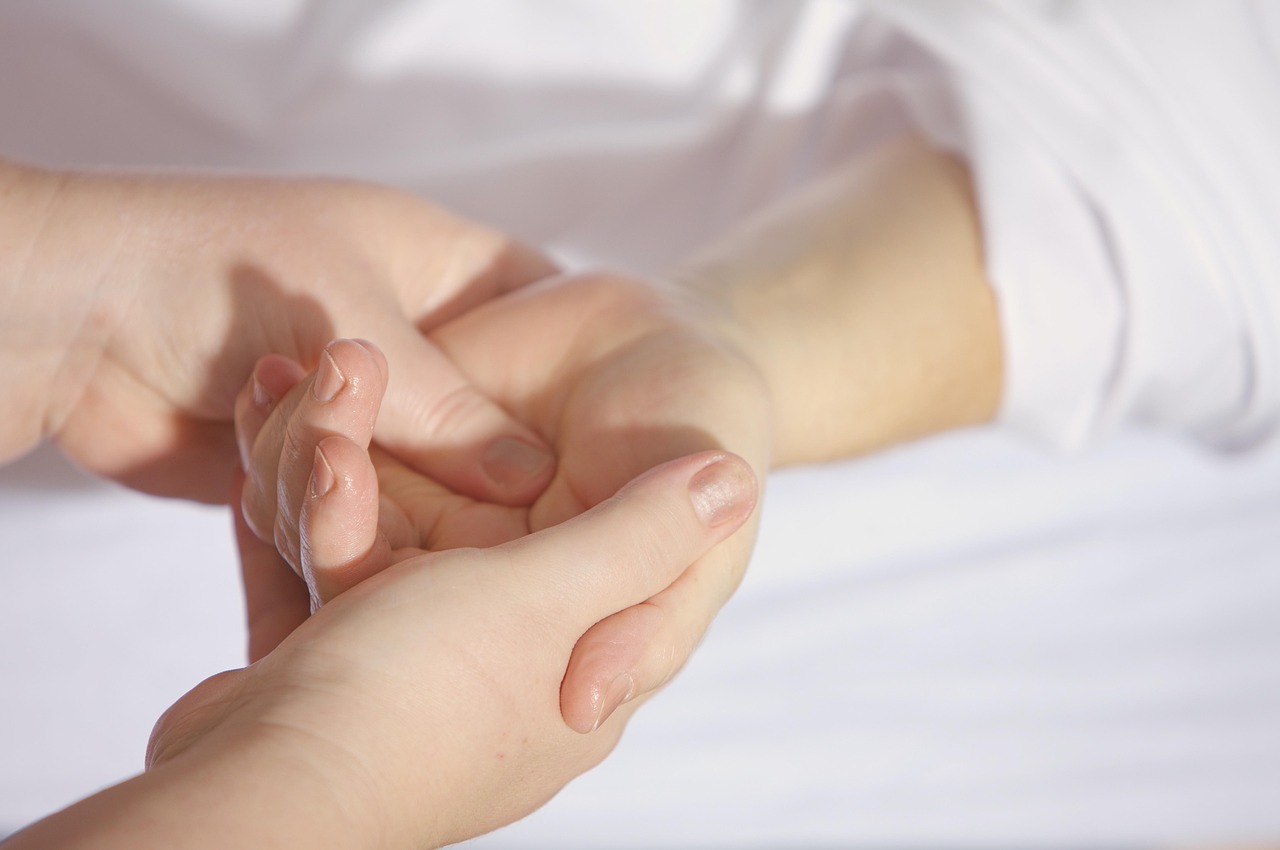
In our fast-paced modern world, the body and mind rarely get the opportunity to truly recover. While high-intensity workouts dominate fitness conversations, the quiet power of low-intensity recovery movements often goes unnoticed, yet these gentle practices hold the key to sustainable energy, enhanced flexibility, and lasting wellness.

Recovery isn’t about doing nothing—it’s about doing the right things to help your body heal, restore, and prepare for what comes next. Low-intensity movements create the perfect balance between rest and activity, allowing you to stay mobile while giving your nervous system the gentle reset it desperately needs.
🌿 Understanding the Science Behind Recovery Movements
Low-intensity recovery movements work by activating your parasympathetic nervous system, the part of your body responsible for rest and digestion. When you engage in gentle movement, you increase blood flow without triggering the stress response that comes with intense exercise.
These movements help flush out metabolic waste products like lactic acid that accumulate in muscles during daily activities and workouts. The increased circulation delivers fresh oxygen and nutrients to tired tissues, accelerating the natural healing process while reducing inflammation throughout the body.
Research consistently shows that active recovery—moving at low intensities—outperforms complete rest for most people. The gentle stimulation keeps joints lubricated, maintains neural pathways, and prevents the stiffness that comes from prolonged inactivity.
The Energy Paradox: Moving to Restore Vitality
It seems counterintuitive that movement could increase energy levels, especially when you feel depleted. However, low-intensity recovery movements create what experts call an “energy paradox”—you invest a small amount of energy to receive a much larger return.
When you perform gentle movements like walking, stretching, or flowing through basic yoga poses, your body increases mitochondrial function. These cellular powerhouses become more efficient at producing ATP, the energy currency your body runs on throughout the day.
Unlike caffeine or sugar that provide temporary spikes followed by crashes, recovery movements create sustained energy by optimizing your body’s natural systems. You’re not borrowing energy from tomorrow—you’re cultivating genuine vitality from within.
✨ Essential Low-Intensity Recovery Practices
Restorative Walking
Walking remains one of the most underrated recovery tools available. A leisurely 15-30 minute walk at a conversational pace promotes circulation without taxing your cardiovascular system. Focus on natural breathing, relaxed shoulders, and enjoying your surroundings rather than tracking pace or distance.
Morning walks help regulate circadian rhythms and boost cortisol at the appropriate time, while evening walks can help transition your body toward restful sleep. The key is maintaining an effort level where you could easily hold a conversation or hum a tune.
Dynamic Stretching Sequences
Unlike static stretching where you hold positions, dynamic stretching involves gentle movements through your full range of motion. Arm circles, leg swings, torso rotations, and cat-cow movements keep joints mobile while warming tissues gradually.
These flowing movements prepare your body for daily activities while improving proprioception—your awareness of where your body is in space. Spend 10-15 minutes moving through various planes of motion, listening to what your body needs each day.
Breathwork and Gentle Movement Fusion
Combining intentional breathing with simple movements amplifies recovery benefits. Try coordinating gentle arm raises with deep inhalations and lowering them with complete exhalations. This synchronization calms the nervous system while maintaining mobility.
Box breathing (inhale for four counts, hold for four, exhale for four, hold for four) paired with slow spinal movements creates a meditative quality that reduces stress hormones while keeping the body engaged.
🧘 Flexibility Through Gentle Consistency
Flexibility isn’t achieved through aggressive stretching sessions—it develops through consistent, gentle encouragement of your tissues. Low-intensity recovery movements naturally improve flexibility as a pleasant side effect rather than a painful pursuit.
When you move regularly at low intensities, you teach your nervous system that these ranges of motion are safe. Your body gradually releases protective tension, allowing natural flexibility to emerge without forcing or straining.
The fascia, the connective tissue webbing throughout your body, responds beautifully to gentle, sustained movement. Unlike muscle tissue that can handle more aggressive work, fascia prefers patient, consistent hydration through movement and time.
Joint Mobility Routines
Dedicated joint mobility work involves moving each major joint through its full range in a controlled, gentle manner. Start from your neck and work downward, or begin with your feet and move upward—the direction matters less than the consistency.
Ankle circles, knee rotations, hip circles, spinal waves, shoulder rolls, and neck movements done daily for just 10 minutes can dramatically improve overall flexibility and reduce pain. These movements are particularly valuable for desk workers and anyone with sedentary periods.
Creating Your Personal Recovery Movement Practice
The most effective recovery practice is the one you’ll actually do. Start by identifying times in your day when you naturally have 10-20 minute windows. Morning routines, lunch breaks, and pre-bedtime rituals all offer opportunities for recovery movements.
Begin with just one practice that appeals to you, whether it’s a morning walk, an evening stretching sequence, or midday joint mobility. Master the habit of showing up before expanding the variety or duration of your practice.
Morning Energy Activation
Your morning recovery practice sets the tone for the entire day. Upon waking, spend 5-10 minutes doing gentle movements that transition your body from sleep to wakefulness without shocking your system.
- Start with gentle breathing exercises while still in bed
- Progress to seated spinal movements and neck mobility
- Move to standing for gentle hip circles and arm swings
- Finish with 5-10 minutes of easy walking, either outdoors or around your home
Midday Reset Sequence
The afternoon energy dip affects most people between 2-4 PM. Instead of reaching for caffeine, use this time for a brief recovery movement session that reignites your energy naturally.
- Take a 10-minute walk outside to get natural light exposure
- Perform 5 minutes of dynamic stretching focusing on areas that feel tight
- Practice 2-3 minutes of intentional breathing
- Return to work feeling refreshed rather than artificially stimulated
Evening Wind-Down Movement
Evening recovery practices prepare your body and mind for restorative sleep. Focus on slower, more deliberate movements that signal to your nervous system that the active day is complete.
- Gentle yoga poses held for longer durations
- Slow walking with focus on deep breathing
- Floor-based stretching sequences
- Progressive muscle relaxation combined with subtle movements
💪 Recovery Movements for Specific Needs
Desk Worker Recovery
Prolonged sitting creates specific tension patterns that benefit from targeted recovery movements. Hip flexors, chest muscles, and neck muscles typically need the most attention for people who work at computers.
Every hour, stand and perform hip circles in both directions, chest opening arm movements, and gentle neck stretches. These micro-sessions prevent the accumulation of tension that leads to chronic pain and reduced mobility.
Athletic Recovery Enhancement
Athletes and fitness enthusiasts often struggle with doing “enough” recovery work because their identity connects to pushing hard. However, strategic low-intensity sessions between harder workouts dramatically improve performance and reduce injury risk.
Schedule dedicated recovery days featuring 30-40 minutes of mixed low-intensity movements: easy walking or cycling, dynamic stretching, yoga flows, or swimming at conversational pace. These sessions maintain fitness while allowing physiological recovery.
Stress and Anxiety Management
Recovery movements serve as powerful tools for managing stress and anxiety. The combination of physical movement, breath regulation, and present-moment awareness interrupts rumination patterns while discharging nervous system tension.
When feeling overwhelmed, focus on grounding movements like slow walking with attention to foot contact, gentle swaying, or flowing through simple yoga sequences. The key is moving with awareness rather than distraction.
🔄 Building a Sustainable Recovery Lifestyle
Recovery isn’t something you do occasionally—it’s a lifestyle approach that recognizes rest and gentle movement as essential components of wellness. This perspective shift moves you from “fitting in recovery” to “building life around sustainable practices.”
Track how you feel rather than what you do. Notice energy levels, sleep quality, mood, flexibility, and overall wellbeing. These subjective measures matter more than minutes spent or movements completed.
Progressive Recovery Practices
As your body adapts to regular recovery movements, you can gradually expand your practice. This doesn’t mean increasing intensity—it means exploring greater variety, duration, or mindfulness within the low-intensity framework.
| Week | Duration | Focus |
|---|---|---|
| 1-2 | 10 minutes daily | Establish consistency with one practice |
| 3-4 | 15 minutes daily | Add variety, explore different movements |
| 5-6 | 20 minutes daily | Refine technique, increase body awareness |
| 7-8 | 25-30 minutes daily | Integrate multiple practices, tune into needs |
Technology and Recovery Movement Support
While recovery movements are simple and require no equipment, certain apps can provide structure, guidance, and reminders that support your practice. Movement reminder apps, gentle yoga applications, and mobility-focused programs can be valuable tools.
For those seeking guided recovery routines, apps like Down Dog offer customizable yoga practices perfect for recovery days, while Stretching & Flexibility provides targeted mobility work.
🌟 Listening to Your Body’s Recovery Signals
Developing body awareness is perhaps the most valuable skill in creating an effective recovery practice. Your body constantly communicates what it needs through sensations, energy levels, and movement quality.
Stiffness in the morning suggests your body needs more evening recovery work. Afternoon fatigue indicates you might benefit from midday movement. Difficulty falling asleep often improves with gentle evening practices.
Pay attention to asymmetries—if your right hip feels tighter than your left, or your left shoulder has less range than your right. These imbalances provide valuable information about where to focus recovery attention.
Common Misconceptions About Recovery Movement
Many people believe recovery means complete rest, but research and experience show that appropriate movement accelerates recovery better than inactivity. The key word is “appropriate”—low-intensity, varied, and responsive to how you feel.
Another misconception is that recovery work doesn’t “count” as exercise. While it shouldn’t replace more vigorous activity entirely, recovery movements provide legitimate health benefits including improved circulation, maintained flexibility, stress reduction, and enhanced body awareness.
Some people worry that daily movement will lead to overtraining, but low-intensity recovery work doesn’t create the stress that leads to overtraining. Instead, it helps manage and reduce the cumulative stress from other life demands.
Integrating Recovery Into Daily Life
The most successful recovery practices don’t require special time carved from busy schedules—they integrate seamlessly into existing routines. Take phone calls while walking slowly, practice breathing exercises during transitions between tasks, or do gentle stretches while watching evening television.
Transform waiting time into recovery opportunities. Gentle calf raises while standing in line, shoulder rolls while waiting for coffee to brew, or seated spinal twists during commercial breaks all count.
Make your environment recovery-friendly by keeping a yoga mat visible, setting movement reminders on your phone, or establishing a comfortable floor space where stretching feels natural and inviting.
🎯 Measuring Recovery Progress
Unlike traditional fitness goals measured by speed, weight, or repetitions, recovery progress manifests through improved quality of life. You’ll notice better sleep, more consistent energy throughout the day, reduced pain and stiffness, and enhanced emotional resilience.
Keep a simple journal tracking how you feel before and after recovery sessions. Note energy levels, areas of tension, mood, and sleep quality. Over time, patterns emerge showing the profound impact of consistent gentle movement.
Flexibility improvements happen gradually, so monthly assessments work better than daily comparisons. Notice which movements feel easier, where range of motion has increased, and which previously uncomfortable positions now feel accessible.
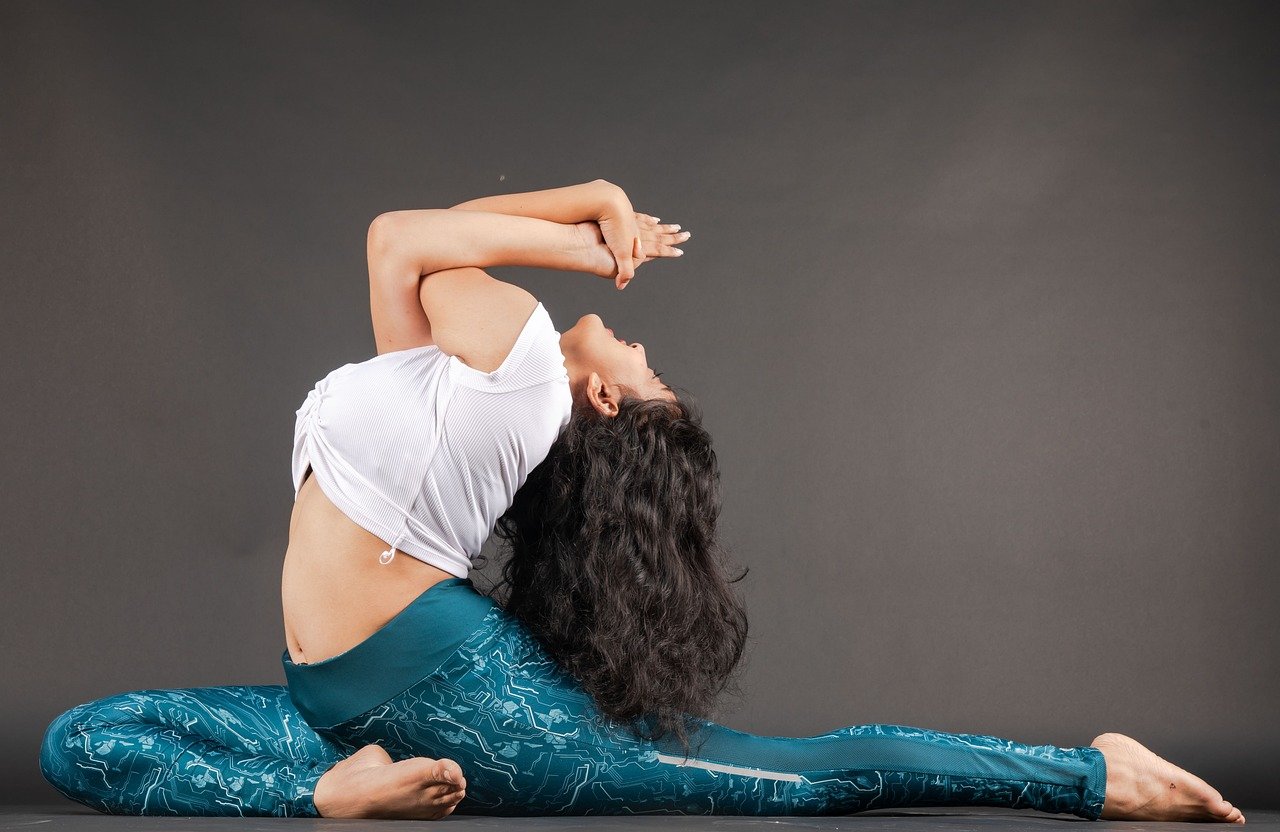
Your Journey Toward Sustainable Wellness
Recovery movements represent a fundamental shift from the “more is better” mentality that dominates modern fitness culture. By embracing gentle, consistent movement practices, you create sustainable wellness that supports rather than depletes your energy reserves.
Start today with just 10 minutes of whatever recovery practice appeals to you most. Notice how your body responds, adjust based on what you discover, and trust that small, consistent efforts compound into transformative results over time. Your body already knows how to heal and restore itself—recovery movements simply create the optimal conditions for those natural processes to flourish.