Crossing the finish line brings an incredible rush of accomplishment, but what happens next can make or break your future performance. Your post-race recovery strategy determines whether you’ll bounce back stronger or struggle with lingering fatigue and injury.

Every runner knows the thrill of completing a race, but few understand that recovery begins the moment you stop running. The choices you make in the hours and days following your event directly impact your body’s ability to repair, rebuild, and prepare for future challenges. Whether you’ve just completed a 5K or conquered a marathon, implementing a comprehensive recovery plan isn’t optional—it’s essential for long-term athletic success and injury prevention.
🏃 The Critical First Hour: Immediate Post-Race Actions
The sixty minutes following your race represent a golden window for recovery. Your body is in a heightened state of stress, inflammation is beginning, and your muscles are crying out for specific nutrients and care. Don’t make the mistake of immediately sitting down or rushing to your car.
Keep moving with a gentle walk for at least ten to fifteen minutes after crossing the finish line. This active recovery helps flush metabolic waste products like lactic acid from your muscles and prevents blood from pooling in your lower extremities. Your heart rate needs to gradually return to normal rather than dropping suddenly, which can cause dizziness or nausea.
Hydration becomes priority number one during this window. You’ve likely lost significant fluids through sweat, and your body needs immediate replenishment. Water is essential, but consider electrolyte-rich beverages to replace lost sodium, potassium, and magnesium. Aim to drink at least 16-24 ounces within the first hour, sipping slowly rather than gulping large amounts.
Nutrition Timing Matters More Than You Think
Your muscles are incredibly receptive to nutrients during the post-race period, particularly in the first 30-60 minutes. This metabolic window is when your body can most efficiently absorb and utilize carbohydrates to replenish depleted glycogen stores and protein to begin muscle repair.
Target a 3:1 or 4:1 ratio of carbohydrates to protein for optimal recovery. This might look like a banana with peanut butter, a recovery smoothie, or a bagel with turkey. Don’t worry about perfect nutrition immediately—focus on getting something into your system that combines these macronutrients. Many runners find that liquid nutrition sits better on a sensitive post-race stomach than solid foods.
💧 Hydration Strategy: Beyond Just Drinking Water
Proper rehydration extends well beyond race day and requires more strategy than simply drinking when you’re thirsty. Dehydration affects everything from muscle recovery to cognitive function, and many runners remain in a chronic state of under-hydration without realizing it.
Monitor your urine color as a simple but effective hydration indicator. Pale yellow indicates proper hydration, while dark yellow or amber signals you need to increase fluid intake. Weigh yourself before and after long runs or races—for every pound lost, drink approximately 16-24 ounces of fluid to fully rehydrate.
Consider incorporating these hydration enhancers into your recovery routine:
- Coconut water for natural electrolytes and potassium
- Tart cherry juice to reduce inflammation and muscle soreness
- Green tea for antioxidants that combat exercise-induced oxidative stress
- Bone broth for collagen, minerals, and sodium replacement
- Electrolyte tablets or powders for convenient mineral replenishment
🛁 The Power of Temperature Therapy
Strategic use of heat and cold can dramatically accelerate your recovery process and reduce post-race soreness. Both modalities offer distinct benefits, and understanding when to use each maximizes their effectiveness.
Ice Baths and Cold Therapy
Cold water immersion within the first few hours after racing can reduce inflammation and minimize delayed onset muscle soreness (DOMS). Fill your bathtub with cold water and ice, aiming for a temperature between 50-59°F (10-15°C). Immerse your lower body for 10-15 minutes, keeping a towel and warm beverage nearby for comfort.
If full immersion sounds too intense, try contrast water therapy instead. Alternate between three minutes of cold water and one minute of warm water, repeating this cycle three to four times. This technique promotes circulation and helps flush metabolic waste from tired muscles.
Heat for Long-Term Recovery
After the initial 24-48 hours when inflammation peaks, heat becomes your recovery ally. Warm baths, heating pads, and sauna sessions increase blood flow to damaged tissues, delivering oxygen and nutrients while removing waste products. Add Epsom salts to your bath for magnesium absorption, which aids muscle relaxation and reduces cramping.
😴 Sleep: Your Secret Weapon for Cellular Repair
Nothing accelerates recovery quite like quality sleep. During deep sleep stages, your body releases growth hormone, which stimulates muscle repair and tissue regeneration. Runners who shortchange sleep after a race significantly extend their recovery timeline and increase injury risk.
Prioritize 8-10 hours of sleep nightly during the week following your race. Your body is working overtime to repair micro-tears in muscle fibers, replenish energy stores, and rebalance hormones disrupted by racing stress. Create an optimal sleep environment by keeping your bedroom cool, dark, and quiet.
Consider these sleep-enhancing strategies during recovery periods:
- Establish a consistent bedtime routine to signal your body it’s time to rest
- Avoid screens for at least one hour before bed to minimize blue light exposure
- Keep your bedroom temperature between 60-67°F for optimal sleep quality
- Use compression socks or elevate your legs to reduce swelling and improve circulation
- Practice relaxation techniques like deep breathing or meditation to calm your nervous system
🍽️ Strategic Nutrition for Accelerated Recovery
Your post-race nutrition plan should extend far beyond that first recovery meal. The days following your event require strategic eating to support tissue repair, reduce inflammation, and restore energy reserves.
Anti-Inflammatory Foods to Emphasize
Racing creates significant inflammation throughout your body. Combat this by loading your plate with foods rich in omega-3 fatty acids, antioxidants, and phytonutrients. Wild-caught salmon, leafy greens, berries, turmeric, ginger, and dark chocolate all provide powerful anti-inflammatory benefits.
Don’t fear carbohydrates during recovery—your muscles desperately need them to replenish glycogen stores. Focus on whole food sources like sweet potatoes, quinoa, oats, and fruits rather than processed options. Pair these carbs with quality protein sources at every meal to provide amino acids for muscle repair.
Micronutrients That Make the Difference
Certain vitamins and minerals play outsized roles in recovery. Iron supports oxygen delivery to tissues, zinc aids immune function and tissue repair, and vitamin C participates in collagen synthesis. B vitamins help convert food into energy and support red blood cell production.
Consider tracking your intake of these recovery-critical nutrients for the week following your race. A food journal or nutrition app can help identify gaps in your diet that might slow your return to training.
🧘 Active Recovery: Moving Without Training
The days following your race shouldn’t involve complete inactivity, but they absolutely shouldn’t include intense training either. Active recovery—gentle movement that promotes circulation without adding stress—strikes the perfect balance.
Incorporate these low-intensity activities during your recovery week:
- Easy walking for 20-30 minutes to maintain blood flow
- Swimming or pool running for zero-impact movement
- Gentle yoga focusing on flexibility and breathing
- Easy cycling at a conversational pace
- Foam rolling and self-massage to address muscle tightness
Listen to your body’s signals during active recovery sessions. Some muscle soreness is normal, but sharp pain, excessive fatigue, or prolonged stiffness indicates you need more rest before resuming regular training.
💆 Manual Therapy and Bodywork
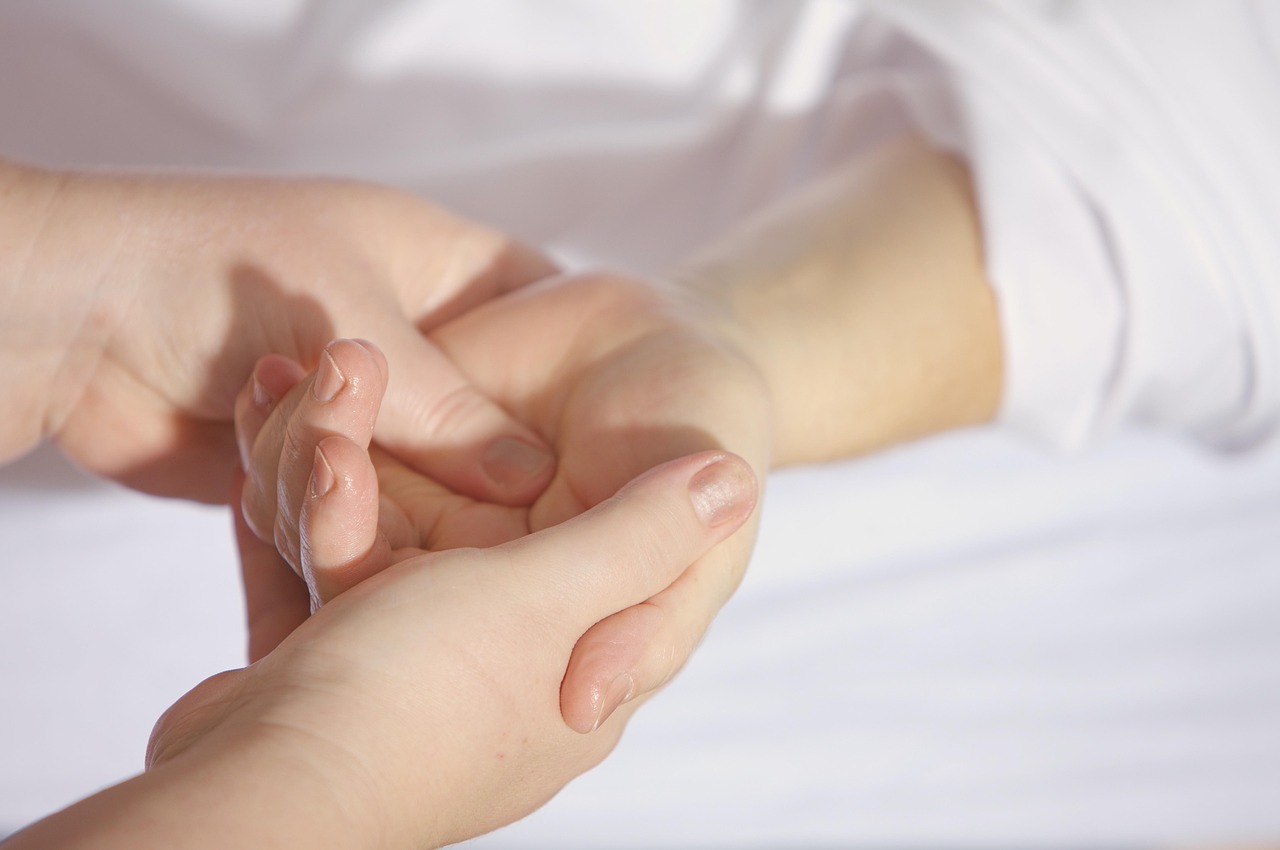
Professional intervention can significantly accelerate recovery, especially after longer or more challenging races. Sports massage, physical therapy, and other bodywork modalities address specific issues that self-care alone might miss.
Schedule a sports massage 2-3 days post-race rather than immediately after. Your muscles need time to complete the initial inflammatory response before deep tissue work. A skilled therapist can identify compensation patterns, release trigger points, and restore normal muscle length and function.
Self-Myofascial Release Techniques
Between professional sessions, foam rolling and massage balls provide effective self-treatment. Spend 10-15 minutes daily working through major muscle groups, paying special attention to your calves, quadriceps, hamstrings, and hip flexors. Move slowly over tender areas, pausing for 30-60 seconds on particularly tight spots.
Percussion massage devices have gained popularity among runners for good reason. These tools deliver rapid pulses that penetrate deep into muscle tissue, promoting blood flow and breaking up adhesions. Use them for 1-2 minutes per muscle group, avoiding direct application over bones or joints.
📊 Monitoring Recovery Markers
Objective data helps you determine when your body has truly recovered and is ready for harder training. Subjective feelings matter, but quantifiable metrics provide additional insight into your recovery status.
| Recovery Marker | What to Monitor | Optimal Range |
|---|---|---|
| Resting Heart Rate | Morning pulse before getting out of bed | Within 5 beats of normal baseline |
| Heart Rate Variability | Variation between heartbeats | Within normal individual range |
| Sleep Quality | Hours slept and sleep efficiency | 7-9 hours with minimal disruption |
| Muscle Soreness | Pain level during normal activities | Minimal to no discomfort |
| Energy Levels | Subjective fatigue throughout the day | Normal baseline energy |
Track these markers using a simple journal or dedicated recovery app. Patterns emerge over time that help you understand your individual recovery timeline and identify factors that accelerate or hinder the process.
🔄 The Recovery Timeline: What to Expect
Recovery duration varies based on race distance, intensity, training background, and individual physiology. Understanding general timelines helps set realistic expectations and prevents premature return to hard training.
For a 5K race, most runners need 2-3 days of easy activity before resuming normal training. A 10K typically requires 3-5 days, while half marathons demand 5-7 days of recovery. Marathon runners should plan for at least two to three weeks before returning to quality workouts, with full recovery taking four to six weeks.
These timelines represent minimum recovery periods. Adding extra rest days never hurts, while cutting recovery short frequently leads to injury, burnout, or diminished performance. Remember that older runners, those new to racing, and anyone dealing with other life stressors may need extended recovery periods.
🎯 Mental Recovery: The Often-Forgotten Component
Physical recovery dominates post-race discussions, but mental and emotional recovery deserve equal attention. Racing demands intense psychological effort, and your mind needs rejuvenation just as much as your muscles.
Post-race blues are remarkably common, especially after goal races you’ve trained toward for months. The sudden absence of structure and purpose can feel disorienting. Combat this by setting new goals, but avoid immediately diving into another intense training cycle. Allow yourself a mental break to rediscover the joy of unstructured running.
Use your recovery period to reflect on your race experience. What went well? What would you do differently next time? Document these insights while they’re fresh, creating a valuable reference for future training cycles. Celebrate your accomplishments rather than fixating on missed time goals or comparing yourself to others.
⚡ Returning to Training: The Progressive Approach
When recovery markers indicate you’re ready to resume training, resist the temptation to immediately jump back to your pre-race volume and intensity. Progressive overload applies to returning from recovery just as it does to building fitness.
Start with 50-60% of your normal weekly mileage during the first week back, focusing exclusively on easy-paced runs. Add 10-15% volume each subsequent week while monitoring how your body responds. Introduce speed work and tempo runs only after you’ve completed at least two weeks of consistent easy running without issues.
Your first few runs might feel surprisingly difficult or unexpectedly easy. Both responses are normal as your body recalibrates after the race stimulus. Trust the process and maintain patience—fitness isn’t lost during a proper recovery period, but it can be permanently damaged by rushing back too quickly.

🌟 Building Long-Term Resilience Through Strategic Recovery
Champions aren’t built solely through hard training—they’re forged through consistent, intelligent recovery practices. The runners who enjoy long, successful careers understand that every hard effort must be balanced with adequate regeneration.
Make recovery a non-negotiable part of your training philosophy rather than something you squeeze in when convenient. Schedule recovery activities with the same commitment you bring to workouts. Your future self will thank you for the injuries avoided, the performances enhanced, and the longevity gained through this balanced approach.
Recovery isn’t weakness or wasted time—it’s when adaptation actually occurs. The training stimulus breaks you down; recovery builds you back up stronger. Embrace this truth, implement these strategies consistently, and watch yourself return from each race more resilient and capable than before. Your best running years don’t have to be behind you when you prioritize recovery with the same intensity you bring to training. Keep moving forward, one smart recovery choice at a time.