Tight calves and stiff ankles are more than just minor annoyances—they’re silent barriers preventing you from moving freely, performing optimally, and living without discomfort.

Whether you’re an athlete pushing your limits, a desk worker battling the consequences of prolonged sitting, or someone simply wanting to walk up stairs without wincing, addressing lower leg mobility is essential. The good news? With targeted mobility routines, you can transform these problem areas from sources of frustration into pillars of strength and flexibility. This comprehensive guide will walk you through everything you need to know about unlocking your ankle and calf mobility, understanding why these areas become problematic, and implementing practical solutions that deliver real results.
🔍 Why Your Calves Are Screaming and Your Ankles Are Stuck
Before diving into solutions, understanding the root causes of tight calves and stiff ankles helps you address the problem more effectively. Your lower legs bear the burden of virtually every movement you make throughout the day, yet they’re often the most neglected areas in flexibility training.
Modern lifestyles create the perfect storm for lower leg dysfunction. Hours spent sitting with feet planted at 90-degree angles, wearing restrictive footwear, and repetitive movement patterns all contribute to reduced ankle mobility and chronically tight calf muscles. The gastrocnemius and soleus muscles—your two primary calf muscles—become shortened and dense, while the ankle joint loses its natural range of motion.
Previous injuries, even seemingly minor ankle sprains from years ago, can create compensation patterns that persist long after healing. Your body develops protective mechanisms, limiting mobility to avoid pain, but these temporary solutions become permanent restrictions. Additionally, inadequate warm-ups before exercise, insufficient recovery protocols, and overtraining without proper mobility work compound these issues.
The Ripple Effect Throughout Your Body
Limited ankle mobility doesn’t stay isolated in your lower legs. Like dominoes falling in sequence, restrictions in ankle dorsiflexion—your ability to bring your shin toward your toes—force compensations up the kinetic chain. Your knees may cave inward during squats, your hips might tilt excessively, and your lower back could overarch to compensate for what your ankles can’t do.
These compensations increase injury risk significantly. Research consistently shows that limited ankle dorsiflexion correlates with higher rates of ACL tears, plantar fasciitis, Achilles tendinopathy, and even knee and hip pain. Athletes with restricted ankle mobility demonstrate altered landing mechanics, reduced power output, and decreased performance across virtually all movements requiring lower body engagement.
💪 The Anatomy Lesson That Changes Everything
Understanding the structure of your lower leg transforms how you approach mobility work. The ankle is a complex joint where the tibia, fibula, and talus bones meet, allowing for multiple planes of movement—dorsiflexion, plantarflexion, inversion, and eversion.
Your calf comprises two distinct muscles with different functions. The gastrocnemius, the larger muscle visible on your lower leg’s surface, crosses both the knee and ankle joints, making it particularly prone to tightness. The soleus sits deeper, attaching below the knee, and is crucial for standing and walking activities. Both muscles merge into the Achilles tendon, the strongest tendon in your body, connecting to your heel bone.
Surrounding these structures are fascial tissues, ligaments, and proprioceptive nerve endings that provide stability and spatial awareness. When any component becomes restricted, the entire system suffers. This interconnectedness explains why comprehensive mobility routines targeting multiple tissues yield superior results compared to isolated stretching.
🎯 Assessment: Discovering Your Mobility Baseline
Before implementing any routine, assess your current mobility levels. This baseline helps track progress and identifies specific limitations requiring focused attention.
The Wall Test for Ankle Dorsiflexion
Stand facing a wall with your toes approximately five inches away. Keeping your heel planted and knee straight, attempt to touch your knee to the wall without your heel lifting. If you can’t reach the wall, you have restricted dorsiflexion. Gradually move closer until you find your maximum range, measuring the distance from wall to toes.
Functional ankle dorsiflexion should allow your knee to travel at least four to five inches past your toes while maintaining heel contact. Anything less indicates mobility restrictions requiring intervention.
The Deep Squat Assessment
Attempt a bodyweight squat, descending as deeply as possible while keeping your heels flat and torso relatively upright. If your heels lift, you lean excessively forward, or you can’t descend below parallel, ankle mobility limitations are likely contributing factors.
Place small plates or a book under your heels and repeat the squat. If depth improves significantly, ankle dorsiflexion restrictions are definitely limiting your squat pattern.
🔥 Dynamic Warm-Up Routines: Preparing Your Lower Legs for Movement
Never stretch cold muscles. Dynamic warm-ups increase blood flow, elevate tissue temperature, and prepare your nervous system for deeper mobility work.
Ankle Circles and Alphabet Writing
Sit comfortably and lift one foot off the ground. Slowly draw circles with your toes, moving through the fullest range possible. Complete 10 circles in each direction. Then “write” the alphabet in the air with your big toe, emphasizing full ankle movement through all planes.
This simple drill activates all ankle muscles, improves synovial fluid distribution within the joint, and enhances neuromuscular coordination before more intensive work.
Calf Raises with Variations
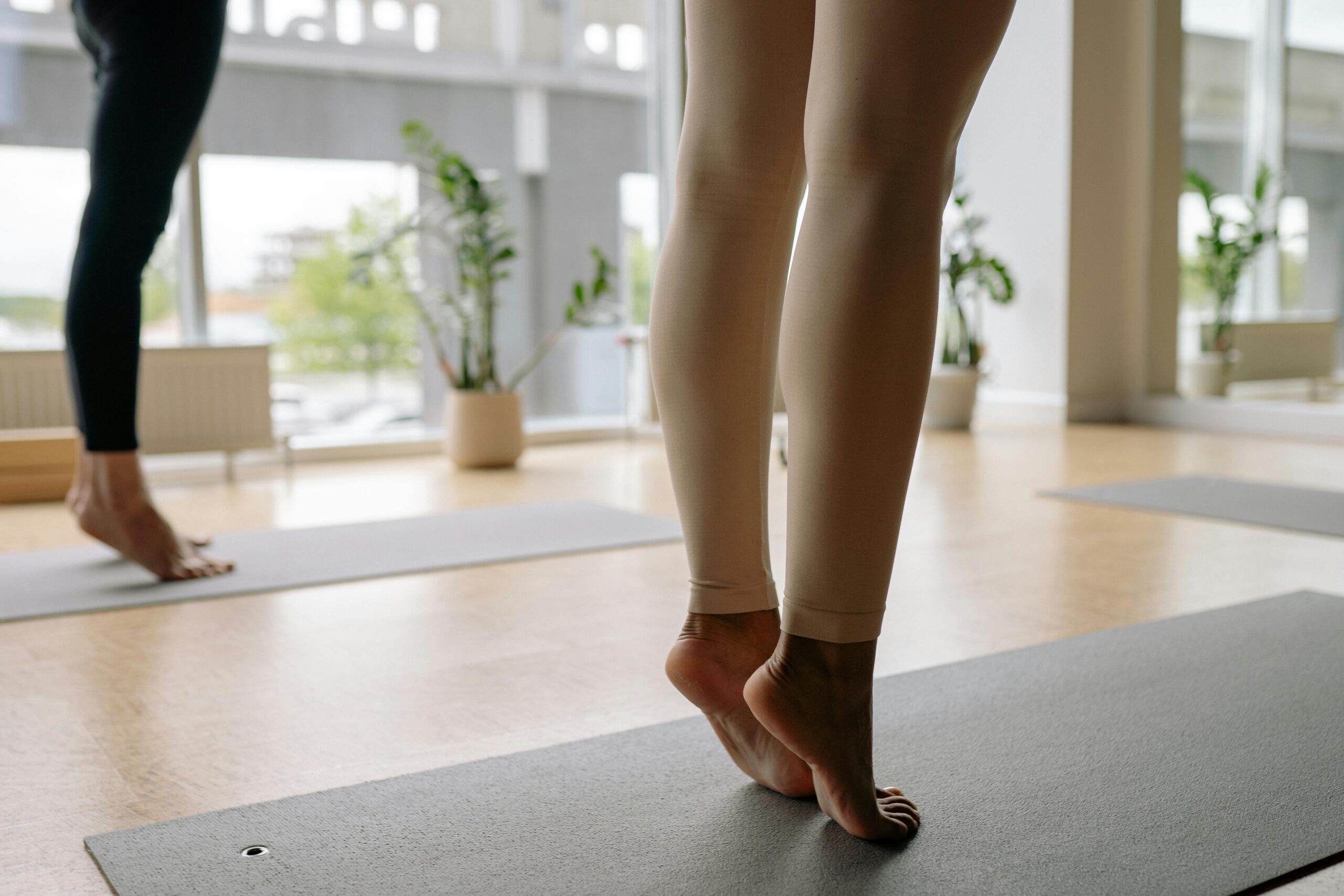
Perform 15-20 bodyweight calf raises on flat ground, emphasizing controlled lowering phases. Follow with toe-in and toe-out variations, targeting different aspects of the calf muscles. The eccentric lowering phase is particularly valuable for building both strength and flexibility simultaneously.
Progress to single-leg variations when appropriate, further challenging balance and proprioception while building functional strength through complete ranges of motion.
🧘 The Ultimate Mobility Routine for Tight Calves
These targeted techniques address calf tightness through multiple approaches, ensuring comprehensive tissue adaptation.
Wall Calf Stretch with Refinements
The classic wall stretch remains effective when executed properly. Position your hands against a wall, step one foot back, and keep the rear leg straight with heel planted. Rather than simply leaning forward, think about driving your rear hip toward the wall while maintaining a neutral spine.
Hold for 45-60 seconds, breathing deeply to promote relaxation. Then bend your back knee slightly while maintaining heel contact, shifting emphasis to the soleus muscle. Hold another 45-60 seconds. The bent-knee variation is crucial—many people neglect the soleus, leaving significant mobility gains untapped.
Foam Rolling for Myofascial Release
Position a foam roller under your calf with your opposite leg crossed on top for added pressure. Roll slowly from just above the ankle to below the knee, pausing on tender spots for 20-30 seconds. Rotate your leg inward and outward to address different muscle fibers.
For deeper release, use a lacrosse ball or massage ball on specific trigger points. The most common tight spots are mid-belly of the gastrocnemius and the musculotendinous junction where muscle transitions to Achilles tendon.
Contract-Relax PNF Stretching
Proprioceptive Neuromuscular Facilitation (PNF) stretching produces remarkable flexibility gains. Position yourself in a wall stretch, then press your rear foot into the ground as if trying to push through the floor, contracting your calf maximally for 6-8 seconds. Relax completely, then gently increase the stretch depth. Repeat this contract-relax cycle 3-4 times per leg.
This technique capitalizes on the nervous system’s autogenic inhibition response, temporarily reducing muscle protective tension and allowing greater stretch depth safely.
🦶 Strengthening and Mobilizing Stiff Ankles
Flexibility without strength creates unstable joints. These exercises simultaneously improve mobility and build the strength necessary to control and utilize new ranges of motion.
Loaded Ankle Dorsiflexion Mobilization
Position yourself in a half-kneeling stance with your front foot flat. Place your hands on your front thigh and gently rock forward, driving your knee over your toes while keeping your heel planted. This loaded position applies controlled stress to ankle joint capsule restrictions.
Perform 15-20 slow, controlled repetitions, progressively increasing depth. Add a resistance band anchored behind you and looped around your front ankle for additional joint distraction, creating space and improving glide within the joint.
Banded Ankle Distraction
Anchor a thick resistance band to a sturdy object at floor level. Loop it around your ankle joint, specifically targeting the front of the ankle. Step back to create tension, then assume a lunge position, allowing the band to pull your ankle joint backward while you drive your knee forward.
This technique directly addresses joint capsule restrictions, often the primary limiting factor in ankle mobility. Hold the stretched position for 2 minutes per side, performing gentle oscillations to facilitate tissue adaptation.
Heel-Elevated Squats
Place your heels on small plates or a slant board and perform controlled squats. The elevated heel position reduces immediate dorsiflexion demands while training the squat pattern. Gradually reduce heel elevation over weeks as mobility improves, progressively challenging your ankles through greater ranges.
This regression-progression approach builds confidence, strength, and mobility simultaneously without compensatory movement patterns.
📱 Technology-Assisted Mobility Training
Modern technology offers valuable tools for tracking progress and maintaining consistency with mobility routines. Dedicated mobility and flexibility apps provide guided routines, progress tracking, and reminder systems that dramatically improve adherence.
Consider exploring specialized mobility applications that offer structured programs targeting lower leg flexibility. These digital tools often include video demonstrations, customizable routines, and progressive challenges that evolve with your improving capabilities.
⏰ Designing Your Weekly Mobility Schedule
Consistency trumps intensity when building lasting mobility improvements. Structure your week strategically to maximize results without burnout.
Dedicate 10-15 minutes daily to basic ankle and calf mobility work. This might include dynamic warm-ups in the morning and static stretching in the evening. Schedule two or three longer 30-minute sessions weekly for comprehensive routines including foam rolling, banded mobilizations, and strengthening exercises.
Perform intensive mobility work on non-training days or after workouts when muscles are warm but not fatigued. Never perform deep stretching immediately before explosive activities or heavy lifting, as it may temporarily reduce force production and increase injury risk.
Sample Weekly Structure
- Monday: Full comprehensive routine (30 minutes) – foam rolling, static stretching, strengthening
- Tuesday: Quick morning ankle circles and dynamic warm-ups (10 minutes)
- Wednesday: Evening static stretching focus (15 minutes)
- Thursday: Full comprehensive routine (30 minutes) – emphasize loaded mobilizations
- Friday: Light maintenance mobility (10 minutes)
- Saturday: Extended session with all techniques (45 minutes)
- Sunday: Gentle yoga or movement flow focusing on lower body (20 minutes)
🚫 Common Mistakes Sabotaging Your Progress
Avoid these frequent pitfalls that prevent people from achieving their mobility potential.
Bouncing during static stretches activates the stretch reflex, causing muscles to contract protectively rather than lengthen. Always stretch smoothly and hold positions steadily.
Neglecting one muscle while overemphasizing another creates imbalances. Address both gastrocnemius and soleus, and don’t forget smaller stabilizing muscles and tibialis anterior on your shin.
Expecting overnight results leads to frustration and abandonment. Meaningful mobility improvements typically require 4-8 weeks of consistent practice. Trust the process.
Ignoring pain signals distinguishes productive discomfort from harmful pain. Stretching should feel tense and slightly uncomfortable but never sharp or burning. Respect your body’s warnings.
🍎 Supporting Your Mobility from the Inside
While external techniques matter tremendously, internal factors significantly influence tissue quality and recovery capacity.
Hydration directly affects fascial tissue pliability. Dehydrated tissues become dense, sticky, and resistant to lengthening. Aim for adequate daily water intake, particularly surrounding mobility sessions.
Nutrition supporting collagen synthesis and reducing inflammation promotes tissue health. Vitamin C, glycine, proline, and omega-3 fatty acids all contribute to healthier, more adaptable connective tissues.
Sleep remains the ultimate recovery tool. During deep sleep stages, your body repairs microtears in muscle tissue, remodels collagen structures, and consolidates neuromuscular adaptations from training. Prioritize 7-9 hours of quality sleep nightly for optimal mobility improvements.
🎯 Measuring Progress Beyond the Numbers
While objective measurements like ankle dorsiflexion angles provide valuable data, subjective improvements often matter more for daily life quality.
Notice how your squat depth improves, how stairs become easier, or how your running gait feels smoother. Pay attention to reduced morning stiffness, decreased soreness after workouts, and improved balance during single-leg activities.
Take progress photos and videos every two weeks, comparing squat depth, ankle range, and movement quality. These visual records often reveal improvements your perception might miss in daily increments.
🌟 Integrating Mobility into Your Active Lifestyle
The ultimate goal isn’t just passing mobility tests—it’s moving better in your chosen activities and daily life. Apply your improved ankle and calf mobility functionally.
For runners, enhanced ankle mobility improves stride efficiency and reduces impact forces. For weightlifters, it enables deeper squats with better positioning. For recreational athletes, it decreases injury risk and increases movement confidence.
Practice movements that challenge your new ranges in controlled environments before testing them in competitive or high-stress situations. This neuromuscular integration phase solidifies gains and makes them automatic rather than consciously controlled.
💡 Your Mobility Journey Starts Now
Unlocking your ankle and calf mobility isn’t a destination—it’s an ongoing practice that pays dividends throughout your entire life. The routines outlined here provide a comprehensive framework, but personalization based on your unique restrictions, goals, and responses makes them truly effective.
Start today with just one or two techniques that resonate with you. Build consistency before adding complexity. Track your progress honestly, celebrate small victories, and maintain patience through plateaus. Your body possesses remarkable adaptive capabilities when provided appropriate stimuli and adequate recovery.
Remember that every athletic endeavor, every flight of stairs, and every step you take relies on these foundational joints. Investing time in their health and function isn’t vanity—it’s essential maintenance for the body that carries you through life. Your future self, moving freely and confidently decades from now, will thank you for the commitment you make today.