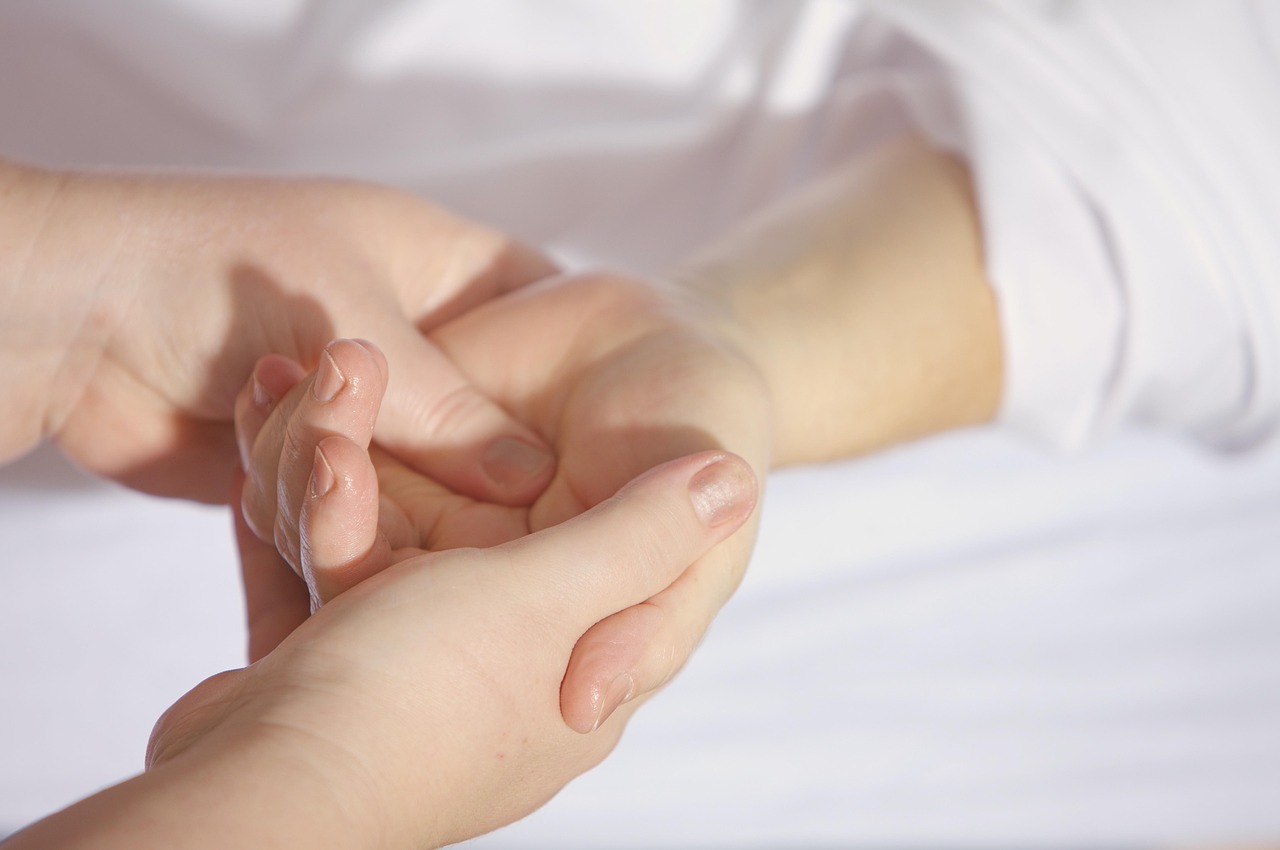
Recovery days are not about doing nothing—they’re about moving smarter. When your body needs rest from high-impact training, dynamic movement flows offer the perfect solution to stay active while promoting healing and rejuvenation.

Today’s fitness culture often glorifies pushing harder, but experienced athletes understand that strategic recovery is where real progress happens. Non-impact movement flows combine gentle mobility work, breathwork, and intentional sequences that facilitate blood flow without adding stress to your joints or nervous system.
Understanding the Science Behind Active Recovery 🧬
Active recovery isn’t just a trendy concept—it’s grounded in physiology. When you engage in low-intensity movement, you increase circulation without triggering the stress response associated with intense workouts. This enhanced blood flow delivers oxygen and nutrients to fatigued muscles while removing metabolic waste products that accumulate during training.
Non-impact dynamic flows keep your lymphatic system moving, which doesn’t have a pump like your cardiovascular system. Movement becomes the mechanism that helps your body clear cellular debris and reduce inflammation. Research consistently shows that complete rest often delays recovery compared to gentle, purposeful movement.
Your nervous system also benefits tremendously from these recovery sessions. High-intensity training activates your sympathetic nervous system—your fight-or-flight response. Dynamic flows emphasize parasympathetic activation, helping you shift into rest-and-digest mode where tissue repair accelerates.
The Philosophy of Movement Without Impact 💭
Non-impact doesn’t mean non-challenging or non-beneficial. It simply means removing the jarring forces that compress joints and stress connective tissues. Swimming, cycling, tai chi, and flowing yoga sequences all qualify as non-impact activities that can range from restorative to moderately challenging.
The key principle involves maintaining continuous movement through ranges of motion that feel nourishing rather than depleting. You’re exploring your body’s capabilities without pushing boundaries, creating space for adaptation and growth to occur organically.
Think of these sessions as conversations with your body rather than commands. You’re listening to signals, respecting limitations, and honoring what feels supportive on any given day. This mindful approach builds body awareness that translates into better performance when you return to high-intensity training.
Essential Dynamic Flow Sequences for Recovery Days ✨
Morning Mobility Awakening
Starting your recovery day with a 15-20 minute mobility flow sets a positive tone for healing. Begin in a comfortable seated position, bringing attention to your breath. Move through gentle neck circles, shoulder rolls, and spinal rotations before transitioning to hands and knees for cat-cow movements.
Flow through child’s pose to downward dog several times, emphasizing the wave-like quality of movement through your spine. Add hip circles, ankle rotations, and wrist mobilizations. The goal is lubricating joints and waking up proprioceptive awareness throughout your entire body.
End this sequence with a few minutes of breathwork—perhaps box breathing or alternate nostril breathing—to establish mental clarity and calm for the day ahead.
Aquatic Movement Therapy
Water provides natural resistance while supporting your body weight, making pool sessions ideal for recovery days. Aquatic walking, gentle swimming strokes, and underwater mobility exercises offer therapeutic benefits that land-based activities can’t replicate.
The hydrostatic pressure of water also reduces swelling and enhances circulation. Even simply moving through water in various directions—forward, backward, sideways—engages muscles differently than terrestrial movement while minimizing stress on joints.
Water temperature plays a role too. Slightly cooler water can reduce inflammation, while warmer water relaxes muscles and increases flexibility. Experiment with different temperatures to discover what your body responds to best on recovery days.
Restorative Yoga Flow
Unlike vigorous vinyasa practices, restorative yoga emphasizes supported poses held for longer durations. These sequences activate the parasympathetic nervous system, directly countering the stress accumulated during intense training cycles.
Incorporate poses like supported bridge, legs-up-the-wall, reclined twist, and extended child’s pose. Use props generously—bolsters, blocks, blankets, and straps—to create completely supported positions where your body can release deeply held tension.
The stillness within these poses allows your fascia to hydrate and reorganize, improving tissue quality and reducing adhesions that develop from repetitive movement patterns in your primary sport or training modality.
Tai Chi and Qigong Sequences
These ancient movement practices embody the essence of dynamic recovery—continuous flowing movement that cultivates energy rather than depleting it. The slow, controlled motions improve balance, coordination, and body awareness while maintaining a meditative quality.
Simple qigong sequences like “lifting the sky” or “pushing the mountain” can be learned quickly and practiced anywhere. Tai chi forms require more instruction but offer profound benefits for recovery, stress reduction, and mind-body integration.
Both practices emphasize deep diaphragmatic breathing synchronized with movement, creating a moving meditation that calms your nervous system while keeping your body engaged and active.
Breathwork Integration: The Missing Recovery Element 🌬️
Breath is the bridge between your conscious and unconscious nervous system. Incorporating specific breathing techniques into your recovery flows amplifies their effectiveness exponentially. When you control your breath, you directly influence your heart rate variability, stress hormones, and recovery capacity.
Coherent breathing—inhaling for five counts and exhaling for five counts—optimizes autonomic balance. Practice this during gentle movement or in stillness for 10-15 minutes to enhance parasympathetic dominance and accelerate recovery processes.
Box breathing, popularized by Navy SEALs, involves equal counts of inhale, hold, exhale, and hold. This technique calms anxiety, improves focus, and creates space between stimulus and response—valuable for athletes who struggle with the mental challenge of taking recovery days seriously.
Physiological sighs—two quick inhales through the nose followed by a long exhale through the mouth—rapidly reduce stress and anxiety. Use these throughout your recovery day whenever you notice tension building or feel restless about not training intensely.
Creating Your Personalized Recovery Flow Protocol 📋
The most effective recovery routine is one you’ll actually follow consistently. Consider your schedule, preferences, energy levels, and access to equipment or facilities when designing your non-impact movement plan.
Start by assessing your current recovery needs. Are you managing acute soreness from a particularly hard training block? Dealing with chronic tension patterns? Recovering from minor injury? Your answers should guide the intensity and focus of your movement flows.
A well-rounded recovery day might include morning mobility work, a midday walk or gentle swim, and evening restorative yoga or stretching. However, even 20-30 minutes of intentional movement provides significant benefits if that’s all your schedule allows.
Sample Weekly Integration
Consider structuring your training week with strategic recovery days based on workout intensity. After your hardest training sessions, schedule non-impact flow days rather than complete rest. This approach maintains movement consistency while respecting your body’s need for recovery.
For endurance athletes, recovery flows work beautifully on days between long efforts or high-intensity interval sessions. Strength athletes benefit from movement flows on days between heavy lifting sessions, particularly focusing on areas that receive the most loading.
Listen to biofeedback signals—resting heart rate, heart rate variability, sleep quality, mood, and motivation levels. When these indicators suggest you need recovery, honor that wisdom with appropriate non-impact movement rather than pushing through.
Technology and Tools to Enhance Recovery Movement 📱
Modern technology offers valuable support for structuring and tracking your recovery practices. Guided movement apps provide professionally designed sequences you can follow at home or anywhere you travel.
Heart rate variability monitors help you assess nervous system status, confirming whether your recovery protocols are working. Wearable devices track sleep quality and readiness scores, offering objective data to inform your training and recovery decisions.
Foam rollers, massage balls, and percussion devices complement movement flows by addressing specific areas of tension. Use these tools before or after your dynamic sequences to enhance tissue quality and range of motion.
Nutrition and Hydration for Recovery Days 🥗
Your recovery day nutrition should support tissue repair without the higher caloric demands of intense training days. Focus on anti-inflammatory foods rich in antioxidants—colorful vegetables, berries, fatty fish, nuts, and seeds.
Adequate protein intake remains crucial even on recovery days, as muscle protein synthesis continues for 24-48 hours after training. Aim for quality protein sources distributed throughout the day to optimize this process.
Hydration often gets neglected on recovery days, but cellular repair requires adequate fluid intake. Water transports nutrients to tissues and removes waste products. Consider adding electrolytes if you’ve been training hard in heat or experienced significant sweat loss.
Anti-inflammatory spices like turmeric and ginger can be incorporated into smoothies or meals. Tart cherry juice has research backing its recovery benefits, particularly for reducing muscle soreness and inflammation.
Mental and Emotional Aspects of Recovery Movement 🧘
The psychological dimension of recovery days deserves attention equal to the physical aspects. Many dedicated athletes struggle with guilt or anxiety about taking easier days, fearing lost fitness or falling behind competitors.
Reframing recovery as productive training rather than time off helps overcome this mental hurdle. Your body adapts during recovery, not during the workout itself. Those dynamic flows are actively building your capacity for future high performance.
Use recovery movement sessions as opportunities for meditation and stress management. The gentle nature of these practices creates space for processing emotions, reducing mental fatigue, and cultivating the mindfulness that enhances athletic performance.
Gratitude practices pair beautifully with recovery flows. As you move mindfully, express appreciation for your body’s capabilities, the opportunity to train, and the wisdom to rest strategically. This positive mindset accelerates both physical and mental recovery.
Common Mistakes to Avoid on Recovery Days ⚠️
The biggest error athletes make is turning recovery days into moderate-intensity workouts. That “just a light jog” easily escalates to tempo pace, defeating the purpose of recovery. Discipline in keeping intensity truly low matters more than the specific activity chosen.
Another pitfall involves completely different movement patterns without proper preparation. If you’re a runner trying yoga for the first time on a recovery day, the unfamiliar positions might create new stress rather than facilitating recovery. Introduce new modalities gradually.
Rushing through recovery flows misses the point entirely. These sessions should feel spacious, unhurried, and meditative. Speed contradicts the parasympathetic state you’re trying to cultivate. Give yourself permission to move slowly and mindfully.
Neglecting recovery days altogether because you feel good is a recipe for overtraining syndrome. Consistent, planned recovery prevents the forced breaks that come from injury or burnout. Trust the process even when you feel capable of harder training.
Long-Term Benefits of Consistent Recovery Practice 🎯
Athletes who prioritize recovery flows experience fewer injuries, more consistent training availability, and better long-term performance trajectories. The cumulative effect of regular non-impact movement days builds resilience in both body and mind.
Movement quality improves as you develop greater body awareness through mindful recovery practices. This enhanced proprioception translates directly to better technique in your primary sport or training activities, reducing injury risk and improving efficiency.
The stress management skills cultivated during recovery sessions benefit all areas of life. Learning to downregulate your nervous system on command helps with sleep, relationships, work performance, and overall quality of life beyond athletics.
Perhaps most importantly, sustainable recovery practices extend your athletic lifespan. By protecting your joints, managing inflammation, and preventing overtraining, you create the conditions for training consistently across years and decades rather than burning bright and fading quickly.

Embracing the Power of Purposeful Rest 💪
Recovery days filled with dynamic movement flows represent sophisticated training wisdom. You’re not avoiding work—you’re choosing the right work for the right time. This strategic approach separates athletes who achieve their potential from those who remain perpetually injured or overtrained.
The flows described here offer starting points for experimentation. Your perfect recovery protocol will emerge through consistent practice and honest attention to how different approaches affect your energy, performance, and wellbeing. Stay curious and flexible in your approach.
Remember that recovery is not passive—it’s an active process that requires intention, discipline, and commitment. The discipline to rest appropriately often requires more strength than pushing through another hard workout. Embrace non-impact movement flows as the powerful training tool they truly are.
As you integrate these practices into your routine, you’ll discover that recovery days become something you look forward to rather than grudgingly accept. The rejuvenation, both physical and mental, creates a sustainable rhythm that supports peak performance and genuine long-term health. Your body will thank you with improved resilience, reduced injury rates, and the capacity to train consistently at the level your goals demand.