
Mastering downhill control is the cornerstone of confident skiing and snowboarding. Whether you’re a beginner facing your first green run or an advanced rider tackling black diamonds, understanding how to manage speed and direction on descents will transform your mountain experience.

The exhilaration of gliding down a snow-covered slope is unmatched, but without proper technique, that thrill can quickly turn to anxiety. Many winter sports enthusiasts struggle with controlling their descent, leading to tension, fatigue, and potentially dangerous situations. The good news is that with targeted practice drills and a solid understanding of fundamental principles, anyone can develop the skills needed to navigate any terrain with grace and confidence.
🎿 Understanding the Fundamentals of Downhill Control
Before diving into specific drills, it’s essential to grasp what downhill control actually means. At its core, controlling your descent involves managing three key elements: speed regulation, directional control, and body positioning. These components work together to create a smooth, controlled ride down the mountain.
Speed regulation doesn’t mean going slow—it means maintaining the appropriate velocity for the terrain and your skill level. Directional control allows you to navigate around obstacles and follow your intended path. Body positioning ensures you maintain balance and can respond quickly to changing conditions.
Many skiers and snowboarders make the mistake of relying solely on their edges to control speed. While edge control is crucial, true mastery comes from understanding how your entire body contributes to the descent. Your center of gravity, weight distribution, and even your visual focus all play significant roles in maintaining control.
The Foundation: Proper Stance and Weight Distribution
Your stance is the platform from which all control originates. For skiers, this means maintaining a balanced athletic position with knees slightly bent, weight centered over the middle of your skis, and hands positioned forward. Snowboarders should keep their knees flexed, shoulders aligned with the board, and weight evenly distributed between both feet.
A common mistake is leaning back when descending steeper terrain. This natural defensive reaction actually reduces control by limiting your ability to steer and increasing the likelihood of catching an edge. Instead, focus on maintaining a neutral stance with slight forward pressure, allowing you to actively guide your equipment rather than being a passive passenger.
The Athletic Stance Drill
Practice this fundamental drill on gentle terrain before progressing to steeper slopes. Stand in your ready position and have someone gently push you from different angles. Your goal is to maintain balance without moving your feet. This drill develops the micro-adjustments needed for maintaining equilibrium during dynamic descents.
Repeat this exercise regularly, focusing on keeping your core engaged and your movements fluid rather than stiff. As you become more comfortable, practice on slightly steeper terrain, always maintaining that centered, athletic position.
🏔️ Essential Cue Drills for Speed Control
Speed management is perhaps the most critical aspect of downhill control. Without the ability to regulate your velocity, you’re simply a projectile heading down the mountain. These drills will help you develop the muscle memory and confidence needed to control your speed in any situation.
The Rhythmic Turn Drill
This foundational exercise teaches you to use turn shape to control speed. On a moderate slope, practice making consistent, rounded turns with equal time spent on each side. Count to three during each turn: one for initiating the turn, two for the middle phase, and three for completing it before starting the next.
The beauty of this drill is that it forces you to commit to your edges and complete each turn rather than skidding straight down the fall line. As you become comfortable, vary your count—shorter counts create quicker turns and slower speeds, while longer counts allow more speed between turns.
The Hockey Stop Progression
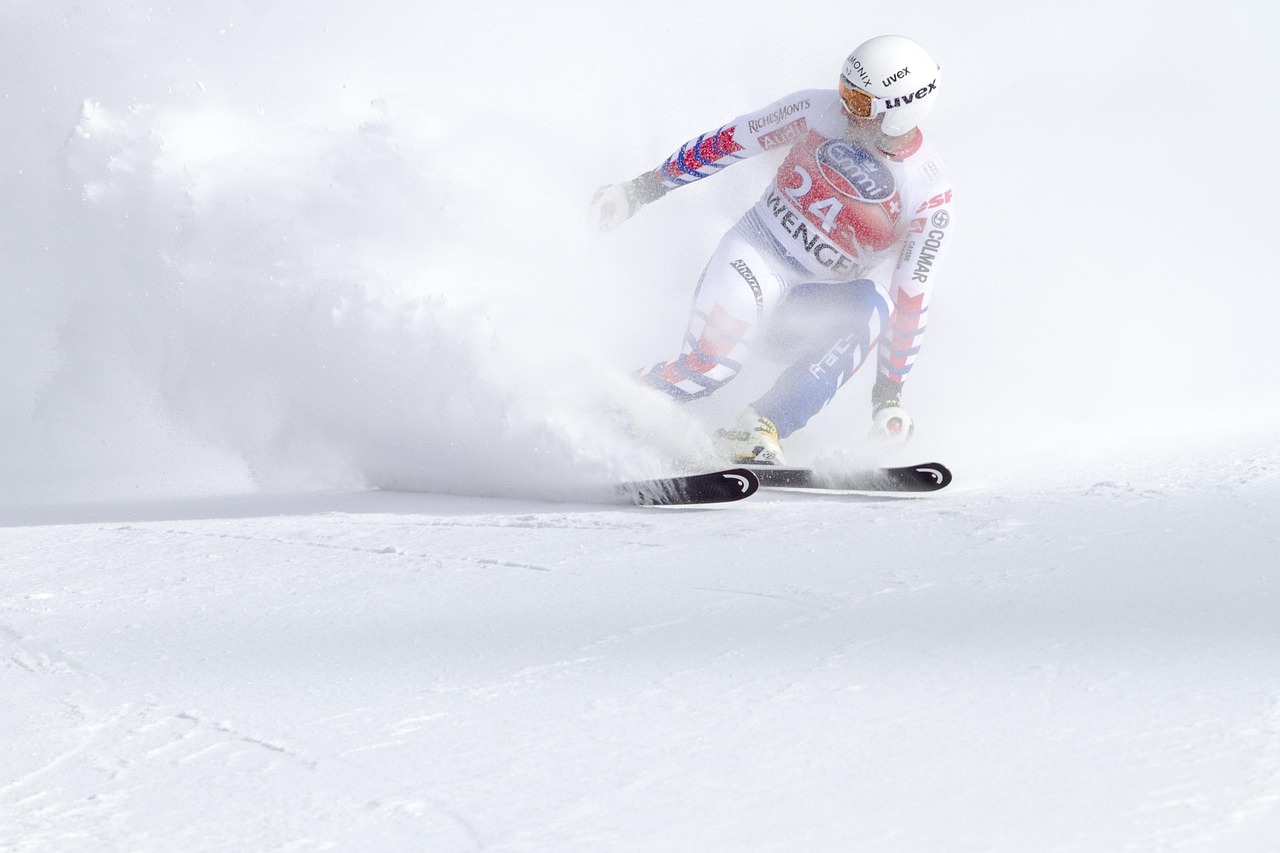
The hockey stop is your emergency brake, but it’s also an excellent tool for developing edge control and confidence. Start on flat terrain and practice skidding your skis or board perpendicular to your direction of travel, creating a spray of snow as you stop.
Progress through these stages:
- Practice hockey stops from a slow glide on flat terrain
- Execute stops while traversing across gentle slopes
- Perform stops after single turns on moderate terrain
- Chain multiple turns with stops between each one
- Finally, practice controlled skids that slow you without completely stopping
The final stage is crucial—learning to control the amount of skid gives you infinite speed control options between full speed and complete stops.
Directional Control: Navigating with Precision
Controlling where you go is just as important as controlling how fast you get there. These drills develop your ability to guide your equipment precisely where you want to go, essential for navigating crowded slopes, avoiding obstacles, and tackling challenging terrain.
The Gate Training Exercise
Set up a course using ski poles, backpacks, or natural features as gates. Space them irregularly to simulate real-world navigation challenges. Your goal is to pass through each gate while maintaining smooth, controlled turns.
This drill develops several skills simultaneously: line selection, turn initiation timing, and the ability to adjust your turn shape based on upcoming obstacles. Start with widely spaced gates and gradually narrow the spacing as your skills improve.
The Single Ski/Board Drill
For skiers, practice making turns on just one ski (keep the other lifted slightly off the snow). This advanced drill dramatically improves balance and highlights any compensations you’re making with the other ski. Snowboarders can achieve similar benefits by practicing turns with one binding released on very gentle terrain.
This exercise forces you to engage your core and maintain proper alignment. You’ll quickly discover any weakness in your technique, as there’s no second ski or foot to compensate for poor positioning.
⛷️ Conquering Steeper Terrain with Confidence
Steep slopes present unique challenges that require specific techniques and mental approaches. The key to conquering intimidating terrain is breaking it down into manageable sections and trusting your foundational skills.
The Sideslip Mastery Drill
Sideslipping is your secret weapon on steep terrain. Practice sliding sideways down the slope with minimal forward momentum, controlling your descent rate solely through edge angle. Release your edges slightly to slide, increase edge angle to slow or stop.
Advanced practitioners can perform this drill while gradually rotating, combining sideslipping with turn initiation. This technique allows you to tackle terrain that might otherwise feel too steep, giving you the confidence to progress your skills on challenging slopes.
The Garland Drill
Named for its resemblance to decorative garland, this exercise involves traversing across the slope, briefly releasing your edges to allow your ski tips or board nose to fall down the fall line, then immediately re-engaging your edges to return to your traverse.
This drill teaches you to handle the critical moment when your equipment points down the fall line—often the most intimidating part of steeper terrain. By practicing this transition in a controlled manner, you build confidence for full turns on challenging slopes.
Advanced Techniques for Variable Conditions
Real-world skiing and snowboarding rarely happens on perfectly groomed slopes. Developing control in variable conditions—moguls, powder, ice, and crud—separates intermediate riders from true masters of the mountain.
Terrain Reading and Adaptation
Before descending any slope, take a moment to read the terrain. Identify areas of different snow conditions, potential obstacles, and the natural fall line. This mental preparation allows you to plan your descent rather than reacting to surprises.
Practice the “terrain scan” drill: stop at the top of a run and verbally describe what you see to a partner or yourself. Identify three different snow conditions, note where shadows might create ice, and plan your general line down. This develops the habit of proactive rather than reactive riding.
Pressure Control in Varied Snow
Different snow conditions require different pressure patterns through your turns. Powder demands gradual, sustained pressure. Ice requires quick, precise edge engagement. Crud and heavy snow need powerful, deliberate movements.
Create a practice routine where you intentionally seek out different snow conditions on the same run, consciously adjusting your pressure patterns for each section. This develops the adaptability essential for confident all-mountain riding.
📊 Tracking Your Progress and Setting Goals
Improvement in downhill control comes from deliberate practice and honest self-assessment. Establishing clear metrics and goals helps maintain motivation and ensures you’re developing well-rounded skills.
| Skill Level | Control Benchmark | Key Focus Areas |
|---|---|---|
| Beginner | Consistent speed control on green runs | Basic turn completion, stopping on demand |
| Intermediate | Comfortable on all blue terrain in varied conditions | Turn shape variation, edge control refinement |
| Advanced | Confident on black diamonds and varied conditions | Terrain adaptation, precision line selection |
| Expert | Control in all terrain and conditions | Style refinement, efficiency, teaching others |
Mental Mastery: The Psychological Aspect of Downhill Control
Physical technique alone isn’t enough for true mastery. Your mental approach significantly impacts your ability to maintain control, especially on challenging terrain or in difficult conditions.
The Visualization Practice
Before attempting challenging runs, spend time visualizing successful descents. Mental rehearsal activates similar neural pathways as physical practice, preparing your body for the movements you’ll make. Elite athletes across all sports use visualization as a core training tool.
Practice this technique at home: close your eyes and imagine yourself descending a specific run. Feel the movements of each turn, hear the sound of your edges cutting through snow, and see yourself maintaining perfect control throughout the descent.
Managing Fear and Building Confidence
Fear is a natural response to steep terrain and high speeds, but it often manifests as tension that reduces control. The key is transforming fear into focus and respect for the mountain rather than panic.
When facing intimidating terrain, break it into sections. Commit to skiing or riding just to that rock formation, then reassess. Often, conquering that first section builds momentum and confidence for the rest of the run. Remember: you don’t have to descend anything in one continuous run—there’s no shame in stopping to regroup.
🎯 Creating Your Personal Practice Routine
Consistency trumps intensity when developing downhill control skills. Rather than occasional marathon practice sessions, regular focused practice of 15-30 minutes several times per day yields better results.
Structure your practice days with intentionality. Begin each session with warm-up runs focusing on fundamental stance and balance. Progress to specific drills targeting your weakest areas. Conclude with free skiing or riding where you consciously apply the skills you’ve practiced.
Sample Practice Session Structure
- Warm-up: 2-3 runs focusing on athletic stance and centered position
- Drill work: 20 minutes on your chosen focus drill (turn rhythm, edge control, etc.)
- Application: 3-4 runs on varied terrain, consciously applying practiced skills
- Challenge: 1-2 runs on terrain slightly beyond your comfort zone
- Cool down: Easy run focusing on smooth, effortless movements
Equipment Considerations for Optimal Control
While skill development should always take priority over equipment, properly fitted and maintained gear significantly impacts your ability to control descents. Skis or boards that are too long, too stiff, or improperly tuned create unnecessary challenges.
Ensure your boots fit properly with minimal heel lift and appropriate flex for your skill level. Have your equipment professionally tuned regularly—sharp edges and properly waxed bases respond more predictably to your inputs. Consider working with a knowledgeable shop to select equipment appropriate for your skill level and the terrain you frequent most.
Taking Your Skills to the Next Level 🚀
Once you’ve mastered fundamental downhill control, the mountain opens up in exciting new ways. You’ll find yourself confidently exploring terrain that once seemed impossible, skiing or riding longer without fatigue, and genuinely enjoying challenging conditions rather than fearing them.
Consider working with a certified instructor for personalized feedback. Even advanced riders benefit from professional coaching—sometimes a single cue or adjustment can unlock significant improvement. Many resorts offer specialized clinics focusing on specific skills like moguls, steeps, or powder riding.
Join group lessons or find practice partners at similar skill levels. Learning alongside others creates accountability, provides motivation, and offers opportunities to observe different movement patterns and techniques. Often, watching others attempt the same drills you’re working on provides insights that accelerate your own progress.
Embracing the Journey of Continuous Improvement
True mastery of downhill control isn’t a destination—it’s a continuous journey of refinement and exploration. Even Olympic athletes and professional ski patrollers continue practicing fundamental skills and discovering new ways to improve their technique.
Celebrate small victories and progress markers along the way. The first time you confidently navigate a steep pitch that once intimidated you, the moment when edge control becomes intuitive rather than deliberate, the day you comfortably adjust to changing snow conditions—these milestones mark real growth that’s worth acknowledging.
Remember that setbacks and plateaus are normal parts of skill development. Some days, everything clicks perfectly. Other days, even basic turns feel awkward. This variability is expected and doesn’t indicate regression. Consistency in practice over time yields steady improvement despite day-to-day fluctuations in performance.
The mountain offers endless opportunities for learning and growth. Each run presents unique challenges and conditions that test and refine your skills. By approaching your time on snow with intentionality, practicing specific drills regularly, and maintaining a growth mindset, you’ll develop the downhill control mastery that transforms skiing and snowboarding from a simple recreational activity into a lifelong passion. Get out there, practice these drills consistently, and watch as formerly intimidating slopes become your favorite playgrounds! ⛷️