
Every athlete, from weekend warriors to elite professionals, shares a common goal: maximizing performance while minimizing injury risk. The secret weapon hiding in plain sight? A strategically designed warm-up routine focused on perfect form and deliberate movement patterns.

Think of your warm-up as the foundation of a skyscraper. Without a solid base, everything above becomes unstable and vulnerable. Yet countless individuals rush through this critical phase, treating it as a mere checkbox rather than the performance-enhancing, injury-preventing powerhouse it truly is. When executed with precision and purpose, form-perfecting drills transform your body from cold and vulnerable to primed and resilient.
🔥 Why Form-Focused Warm-Ups Change Everything
The traditional approach to warming up typically involves light jogging and some static stretching. While these methods increase body temperature, they miss a crucial element: neuromuscular activation with proper biomechanics. Form-perfecting drills during your warm-up serve multiple purposes simultaneously, creating a compound effect that elevates your entire training session.
When you prioritize movement quality from the first repetition, you’re essentially programming your nervous system for optimal performance. Your brain creates motor patterns based on repetition, and these patterns don’t distinguish between warm-up and working sets. Every movement either reinforces good habits or ingrains compensatory patterns that lead to injury.
Research consistently demonstrates that dynamic warm-ups incorporating technique-focused drills reduce injury rates by 35-50% compared to static stretching alone. This dramatic reduction stems from improved joint stability, enhanced proprioception, and better muscle activation sequencing before demanding activities begin.
The Neuromuscular Connection: Waking Up Your Movement System
Your muscles don’t work in isolation. They function as part of an intricate system involving nerves, tendons, fascia, and joint capsules. A cold start places excessive stress on these tissues before they’re ready to handle load. Form-perfecting drills create a graduated stimulus that prepares each component of this complex system.
The first five to ten minutes of movement increase synovial fluid production in your joints, literally lubricating the machinery of movement. Simultaneously, blood flow to muscles increases, delivering oxygen and nutrients while raising tissue temperature. This thermal effect improves muscle elasticity and contraction speed, allowing for smoother, more efficient movement patterns.
Beyond the physical changes, neural pathways become more responsive. The communication between your brain and muscles accelerates, improving reaction time and coordination. When you incorporate technical precision into this process, you’re essentially rehearsing perfect movement before introducing fatigue or heavy loads.
🎯 Essential Form-Perfecting Drills for Every Warm-Up
Lower Body Activation Sequence
Begin with glute bridges focusing on posterior chain engagement. Lie on your back with knees bent and feet flat. Press through your heels, squeeze your glutes at the top, and avoid overarching your lower back. This drill awakens the muscles that stabilize your pelvis and protect your spine during compound movements.
Progress to single-leg balance holds, which expose stability deficits before they become problematic under load. Stand on one leg for 30 seconds, maintaining level hips and a neutral spine. If this feels too easy, close your eyes or perform small arm movements to challenge your balance system further.
Walking lunges with a focus on vertical shin position teach proper knee tracking and hip control. Step forward, keeping your front knee aligned over your ankle rather than drifting inward or outward. Your back knee should drop straight down, not forward. This pattern translates directly to squats, deadlifts, and running mechanics.
Upper Body and Core Integration
Scapular wall slides address the shoulder dysfunction that plagues desk workers and overhead athletes alike. Stand with your back against a wall, arms in a “goal post” position. Slide your arms up while maintaining contact between your forearms, hands, and the wall. This drill reinforces proper scapular rhythm and thoracic mobility.
Dead bugs teach core stability without spinal flexion, protecting your lower back while building the foundation for heavy lifts. Lie on your back with arms extended toward the ceiling and knees bent at 90 degrees. Lower opposite arm and leg simultaneously while keeping your lower back pressed to the floor. The goal is maintaining a stable spine while limbs move independently.
Push-up position holds with controlled breathing create full-body tension and establish the rigid torso position essential for safe, effective pressing movements. Hold a perfect plank position for 30-60 seconds, breathing normally while maintaining a straight line from head to heels.
Sport-Specific Movement Preparation
Generic warm-ups fail because they don’t prepare you for the specific demands of your activity. A powerlifter needs different preparation than a basketball player, and a swimmer requires movement patterns distinct from a runner. Identifying the primary movement patterns in your sport allows you to select drills that directly transfer to performance.
For Rotational Athletes
Golf, baseball, tennis, and combat sports all require explosive rotation. Begin with segmental rotations, moving from slow and controlled to faster speeds. Stand with a resistance band or light medicine ball, rotating from your hips while keeping your shoulders stable, then allow the rotation to flow through your entire torso. This progression teaches sequential power generation from the ground up.
For Running and Jumping Athletes
High knees, butt kicks, and A-skips aren’t just conditioning tools; they’re technical rehearsals for proper running mechanics. Perform each drill with exaggerated form, focusing on landing softly, maintaining upright posture, and driving your knees forward rather than up. Quality matters infinitely more than quantity in these drills.
For Strength Athletes
Goblet squats with a light kettlebell or dumbbell allow you to perfect your squat pattern before loading a barbell on your back. Hold the weight at chest height, sit back into your hips, and drive your knees out. Use this drill to identify and correct mobility limitations or stability issues that could compromise heavier lifts.
📊 Programming Your Form-Focused Warm-Up
Structure matters as much as exercise selection. A logical progression guides your body from rest to readiness without inducing fatigue. The following framework adapts to virtually any sport or training goal:
| Phase | Duration | Focus | Example Drills |
|---|---|---|---|
| General Movement | 3-5 minutes | Increase heart rate and body temperature | Light jogging, jumping jacks, arm circles |
| Joint Mobility | 3-5 minutes | Lubricate joints and improve range of motion | Hip circles, ankle rolls, shoulder dislocations |
| Activation | 4-6 minutes | Wake up stabilizer muscles | Glute bridges, band pull-aparts, dead bugs |
| Movement Patterns | 5-8 minutes | Rehearse sport-specific techniques | Bodyweight squats, push-ups, lunges with perfect form |
| Neural Activation | 2-3 minutes | Prime nervous system for explosive efforts | Jump squats, medicine ball slams, sprint starts |
This progression typically requires 15-25 minutes, which may seem lengthy compared to a five-minute jog and some toe touches. However, the return on investment is substantial: better performance, fewer injuries, and improved movement quality that compounds over weeks and months of training.
Common Form Breakdowns and Corrective Strategies
Even with the best intentions, certain movement compensations appear repeatedly across populations. Identifying these patterns in your warm-up allows for immediate correction before they’re reinforced under load or fatigue.
Knee Valgus During Lower Body Movements
When knees collapse inward during squats or lunges, you’re placing dangerous stress on ligaments and setting yourself up for ACL injuries or patellar tracking issues. This compensation often stems from weak glute medius muscles or poor motor control. Address it with banded side steps and clamshells during your activation phase, then consciously drive your knees outward during all subsequent drills.
Anterior Pelvic Tilt and Lower Back Arching
Excessive arching in your lower back indicates weak core stability or tight hip flexors. This pattern compromises spinal health during loaded exercises and reduces force transfer. Dead bugs and hollow body holds teach neutral spine positioning, while hip flexor stretches address tissue restrictions. Before every set during your warm-up, actively engage your core by imagining you’re bracing for a punch to the stomach.
Forward Head Posture During Upper Body Work
Your head weighs 10-12 pounds, and for every inch it moves forward from ideal alignment, it adds 10 pounds of stress to your neck and upper back. This compensatory pattern appears during push-ups, rows, and overhead movements. Chin tucks against a wall or lying on the floor recalibrate your awareness of neutral head position. During all warm-up drills, imagine a string pulling the crown of your head toward the ceiling.
🏃 Dynamic Flexibility: Movement-Based Mobility
Static stretching before activity has fallen out of favor, and for good reason. Holding stretches reduces muscle activation and can temporarily decrease power output. Dynamic flexibility drills, however, improve range of motion while maintaining the muscle tension necessary for performance.
Leg swings in multiple directions challenge hip mobility without compromising stability. Stand next to a wall for balance, swing one leg forward and back with control, then switch to side-to-side movements. The momentum creates a gentle stretch at end range while activating the muscles that control the movement.
Walking spiderman stretches combine hip mobility, thoracic rotation, and ankle flexibility in a single fluid movement. From a push-up position, step your right foot outside your right hand, drop your hips slightly, then rotate your right arm toward the ceiling. This drill prepares your body for complex, multi-joint movements while reinforcing good plank mechanics.
Inch worms flow from standing to plank position and back, integrating hamstring flexibility with core control and shoulder stability. Stand tall, hinge at your hips to place your hands on the ground, walk your hands forward to a push-up position, then walk your feet toward your hands and stand up. Each repetition should feel slightly easier as tissues warm and lengthen.
The Mental Component: Mindful Movement Practice
Your warm-up isn’t just physical preparation; it’s mental rehearsal and emotional regulation. The focused attention you bring to form-perfecting drills creates a state of present-moment awareness that enhances performance and reduces injury risk. When your mind wanders during warm-up, movement quality suffers and you miss opportunities to identify and correct dysfunctions.
Treat each warm-up drill as a meditation in motion. Notice where you feel tension or restriction. Observe which movements feel smooth and which require conscious effort. This body awareness developed during warm-up carries forward into your workout, allowing you to make real-time adjustments before small form breakdowns become significant problems.
Visualization amplifies the benefits of physical practice. As you perform each drill, imagine the muscles engaging in proper sequence and visualize perfect technique. This mental imagery activates similar neural pathways as actual movement, reinforcing optimal motor patterns without additional physical stress.
⚡ Progressive Overload in Your Warm-Up Routine
Just as your workouts require progression over time, your warm-up should evolve alongside your abilities. What challenged you three months ago may now feel easy, indicating improved movement quality and capacity. Rather than rushing through drills that no longer require focused attention, graduate to more complex variations that continue developing your skills.
Single-leg Romanian deadlifts progress from bodyweight holds to loaded movements, continually challenging your balance and posterior chain strength. Plank variations advance from static holds to dynamic movements like shoulder taps or single-arm reaches. Each progression maintains the core principle of perfect form while increasing the difficulty.
Tempo manipulation provides another progression variable. Slowing down movements increases time under tension and enhances body awareness. A three-second descent in a bodyweight squat reveals stability issues and control deficits that disappear at normal speeds. These discoveries during warm-up allow for targeted correction before adding external load.
Seasonal and Contextual Adjustments
Your warm-up needs change based on environment, training phase, and recent activity history. Cold weather demands longer, more comprehensive preparation as tissues take longer to reach optimal temperature. Early morning sessions require extra attention to joint mobility after hours of inactivity. Following a rest day or deload week, your warm-up can be slightly briefer than after intense training blocks when accumulated fatigue demands additional preparation.
Competition warm-ups balance thorough preparation with energy conservation. You need adequate activation without inducing fatigue before your event. For competitions, rehearse your warm-up routine multiple times during training so it becomes automatic, reducing pre-event anxiety and ensuring consistency.
🎯 Measuring Warm-Up Effectiveness
How do you know if your warm-up is actually working? Several subjective and objective markers indicate proper preparation. You should feel warm but not sweaty or fatigued. Movements should feel progressively smoother and easier as your warm-up progresses. Range of motion should improve, and previously stiff joints should move more freely.
Performance metrics provide objective feedback. If your first working set feels as smooth and strong as your third or fourth set, your warm-up successfully prepared your system. Conversely, if you need multiple working sets before feeling “loose” or strong, your warm-up needs refinement. Track these patterns over weeks to optimize your individual preparation needs.
Building Your Personalized Protocol
While frameworks and principles apply universally, the most effective warm-up addresses your specific limitations, goals, and training context. Begin with the general structure outlined above, then customize based on your observations and results. If you notice consistent tightness in certain areas, add targeted mobility work. If particular movement patterns feel awkward, incorporate drills that groove those patterns with perfect form.
Video analysis reveals form breakdowns you might not feel in real-time. Record yourself performing warm-up drills periodically, then compare your actual movement to the ideal you’re visualizing. These visual feedback loops accelerate motor learning and help you identify subtle compensations before they become ingrained patterns.
Working with qualified coaches or movement specialists provides external feedback and expertise beyond self-assessment. A trained eye catches dysfunctions you’ve adapted to and normalized. Periodic assessments ensure your warm-up evolves appropriately as your movement capacity improves.
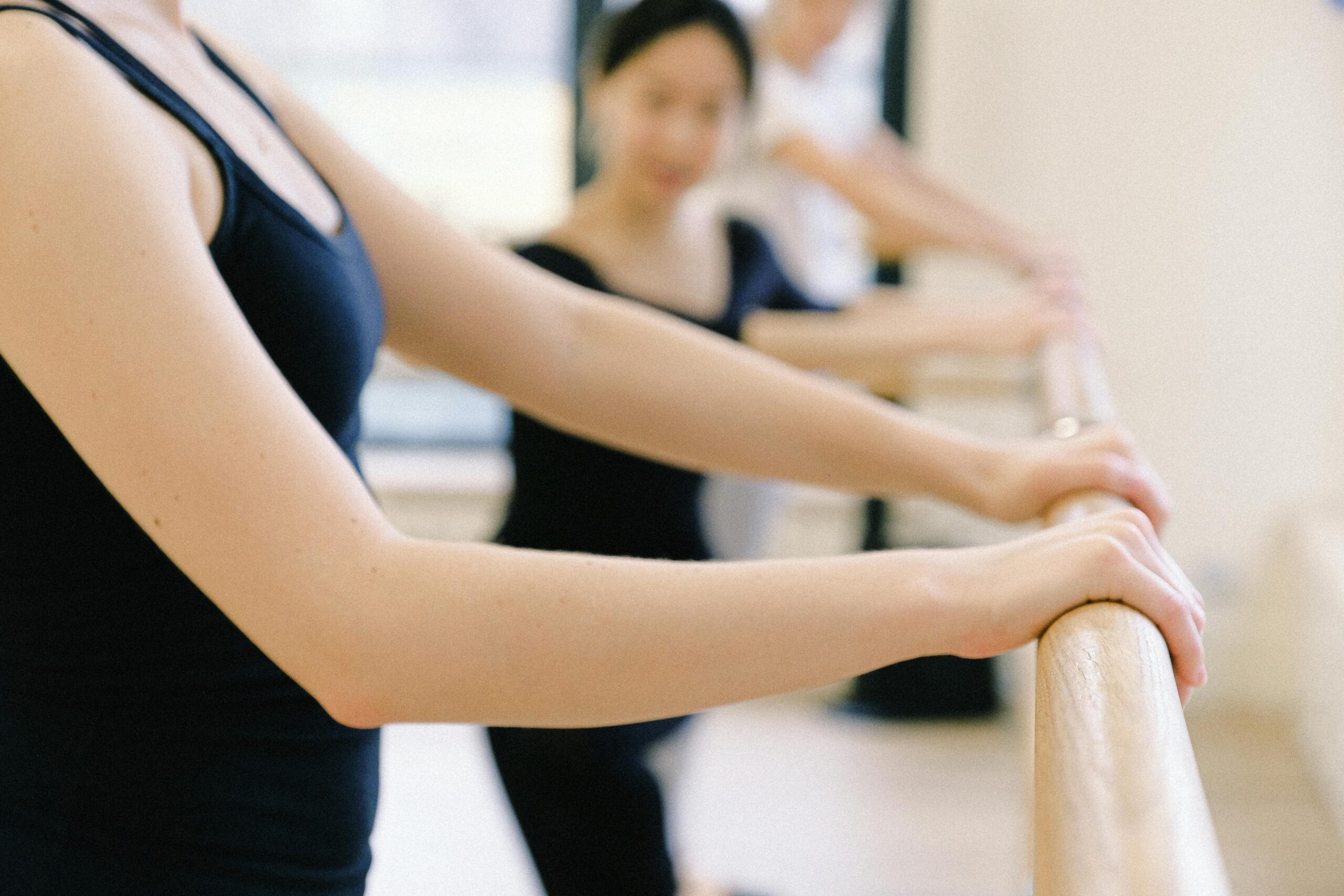
💪 The Long-Term Payoff of Perfect Practice
The benefits of form-focused warm-ups compound over time in ways that aren’t immediately obvious. Each session of deliberate, quality movement reinforces optimal patterns, building a library of efficient motor programs your body can access automatically. After months of consistent practice, movements that once required conscious attention become effortless and natural.
Injury prevention represents perhaps the most valuable long-term benefit. Every session you can train consistently moves you toward your goals. Time lost to preventable injuries derails progress and creates frustration. The 15-25 minutes invested in comprehensive warm-ups is insurance against the weeks or months of recovery that follow acute injuries or overuse conditions.
Beyond preventing negatives, quality warm-ups enhance the positive aspects of training. Better movement efficiency means you can train harder and more frequently without exceeding your recovery capacity. Improved body awareness allows you to push appropriate boundaries while respecting genuine limitations. The confidence that comes from mastering your movement creates a positive feedback loop that makes training more enjoyable and sustainable.
Your warm-up isn’t just preparation for the workout ahead; it’s a fundamental practice that determines your long-term success as an athlete or fitness enthusiast. Every repetition is an opportunity to reinforce excellence or tolerate mediocrity. Choose excellence, one perfect repetition at a time, and watch as your performance soars while injuries become increasingly rare occurrences rather than expected setbacks.